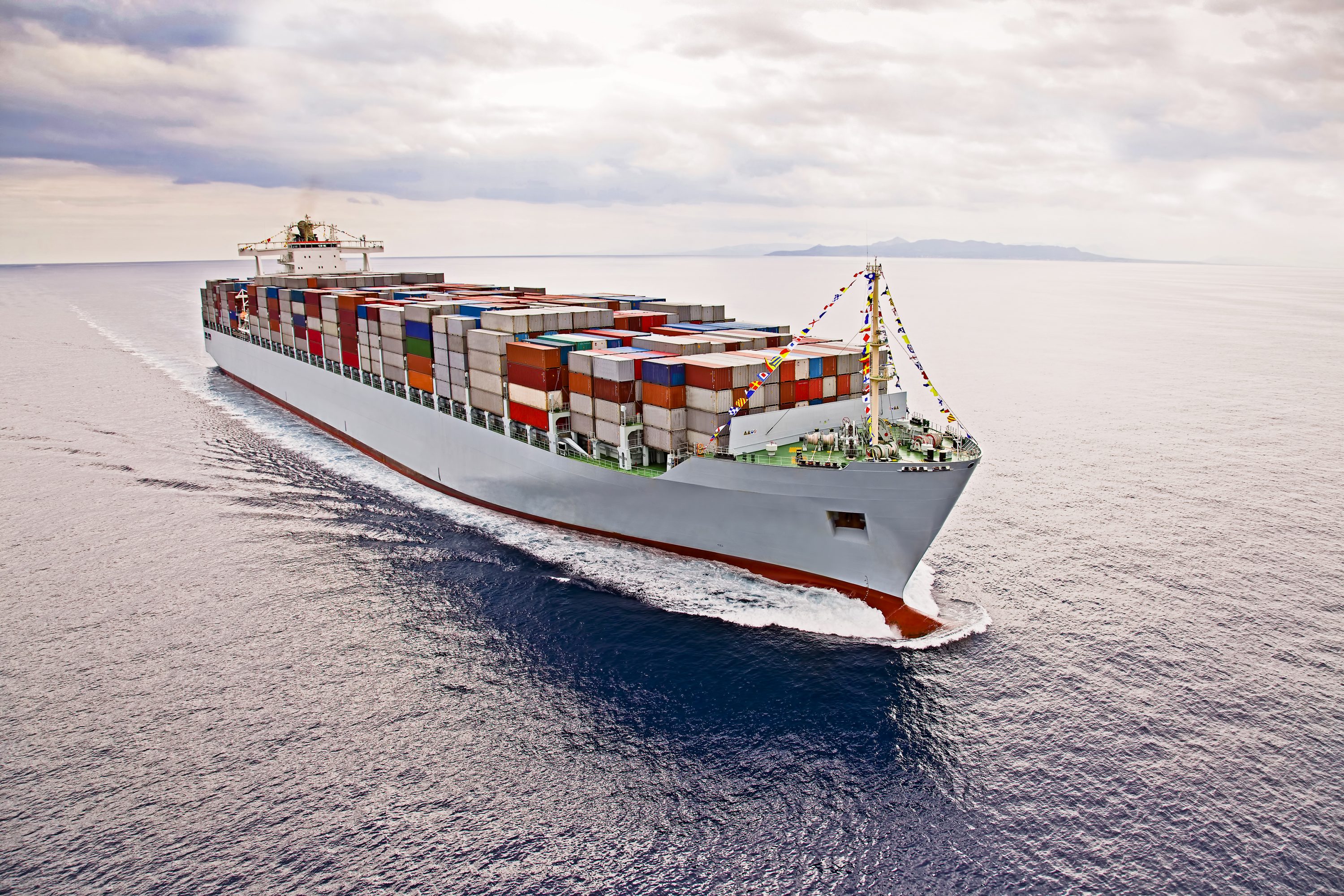
As sea ice continues to melt with rising global temperatures the Arctic is experiencing some of the biggest changes. Ice is melting rapidly and the Arctic Ocean is not freezing over as extensively as it has in the past. This has opened up new opportunities for shipping companies that could save fuel, time, and money by taking new routes through the Arctic. The Russian Arctic has so far seen the most traffic, but other areas could open up as well. This brings new risks to the environment and the maritime workers plying the Arctic Ocean.
Arctic Shipping Firsts
2017 was a banner year for Arctic routes in shipping. In August a liquid natural gas (LNG) carrier made the first trip through the Arctic without the aid of an ice breaker. The Christophe de Margerie traveled from Norway to South Korea. The trip took a week less than it would if it had gone by the traditional route through the Suez Canal. In February another ship, the Eduard Atoll, made the first trip without an ice breaker in winter.
In the summer of 2018 the largest container shipping company in the world, Maersk, sent its first ship into the Arctic. The Venta Maersk, a new ship with a reinforced hull designed to withstand ice, was sent through the polar passage with 3,600 containers to determine if the route was feasible. It marks a new era in world shipping.
Risks for Maritime Workers
One of the biggest concerns of opening up and increasing shipping routes through the Arctic is the risk of harm to seamen who have to navigate and work on these ships. Accidents in other parts of the world are already a big issue, causing injuries and fatalities when ships collide with each other, run aground, or get lost in storms. Recovery and rescue in the Arctic would be much more difficult, and likely delayed, when accidents do occur.
Accidents may also be more common in the Arctic. The risks and dangers include floating ice, ice floes, and icebergs and harsh weather. In fact, the warming climate is expected to make weather worse and more dangerous in the Arctic than in the past. Maritime workers may face more frequent and severe storms.
Dangers to the Environment
Another big concern of opening up shipping in the Arctic is the potential for environmental harm. Oil and LNG tankers sometimes spill their loads, causing a lot of damage to sea life. The Arctic has so far been protected from the environmental degradation other areas of the oceans have experienced. That could all change with Arctic shipping.
Even ships not carrying oil or gas could cause issues. The fuel that container ships and other vessels use can spill if there is an accident. The remoteness of the Arctic region would make clean up or containment of any spill much more difficult than in other areas.
Because it is likely to save big shipping companies time and money, Arctic shipping will probably only grow in the future. More routes, more ships, and the potential for more environmental harm and maritime accidents, injuries, and even big disasters may be inevitable. Individual seamen need to be aware of their maritime rights on any job, how to stay safe, and what legal actions to take if injured on the job in the Arctic or anywhere else.