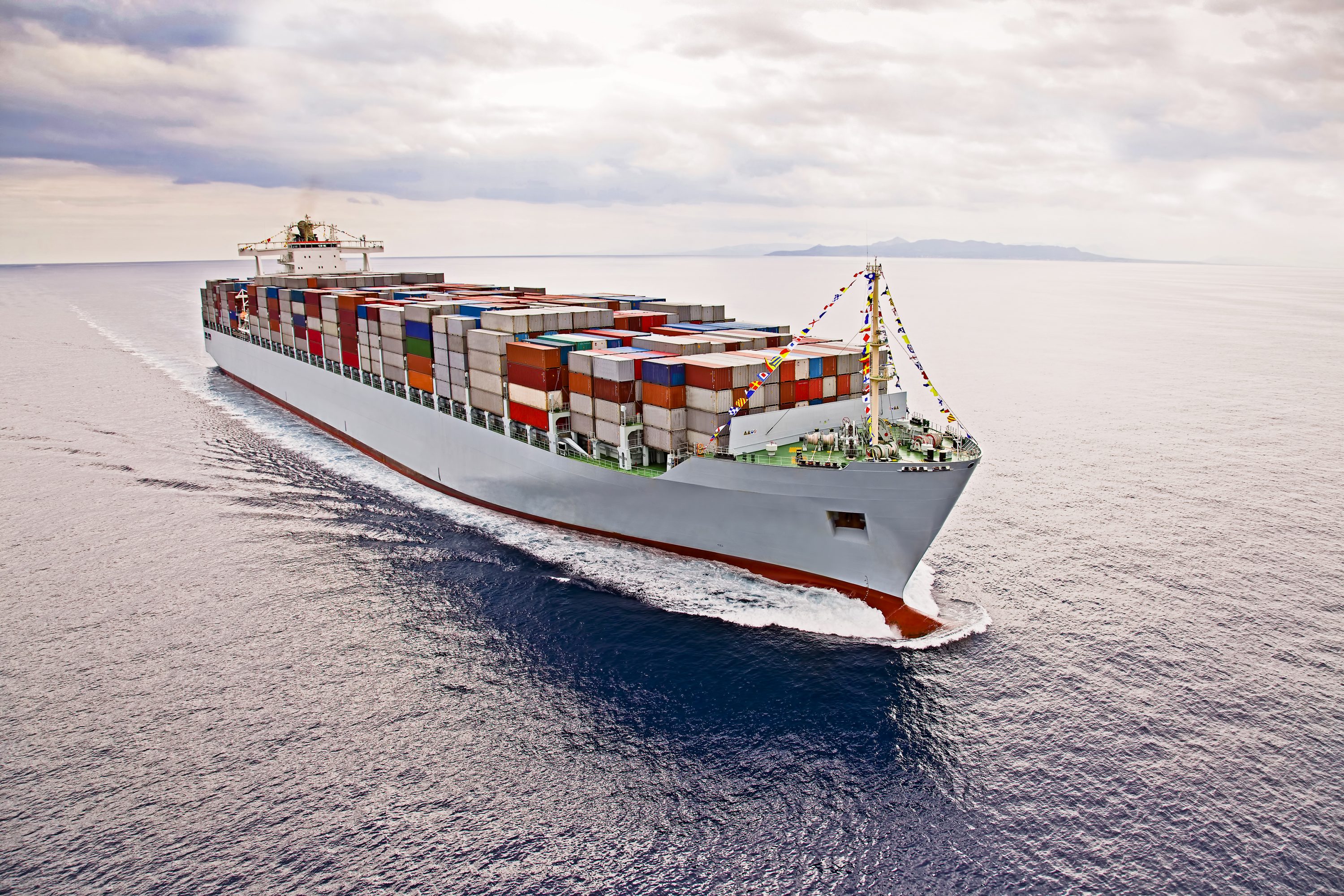
Norway recently became the first nation to ratify a new treaty that will provide a system for liability and compensation when vessels and tankers carrying hazardous substances spill, leak, ground, or otherwise cause environmental and human damage. Called the International Convention on Liability and Compensation for Damage in Connection with the Carriage of Hazardous and Noxious Substances by Sea, 2010, the treaty is more conveniently called the HNS Convention. Led by the International Maritime Organization (IMO), it is hoped that more countries will follow Norway’s lead.
HNS Incidents and Damage
Hazardous and Noxious Substances, or HNS, are materials that are often carried by vessels around the world. They include oils, liquefied gases, any liquid substance characterized as noxious or dangerous, liquids with a flashpoint not greater than 60 degrees Celsius, hazardous and harmful substances in packages or containers, and solid bulk cargo that is considered chemically hazardous.
These kinds of substances can cause harm in a number of ways, but much of the risk associated with transporting them is environmental damage. Workers on board ships can be harmed by the substances too, but there are existing compensation plans and laws for these incidents. For the spills and leaks that may occur during accidents, damage to ships or ports and other infrastructure, something better was needed to ensure that those responsible would be able to pay compensation. HNS incidents are fairly common, with 37 occurring in the Americans from 1998 through 2013, 37 in Europe, and 40 in Asia.
Ratifying the Treaty and Making the “Polluter Pay”
The HNS Convention has been organized and now needs to be ratified by states. Norway is leading the way in this and began by providing the data on total quantities of HNS cargo that came into the country in the last year that would be liable for contributions. The HNS Convention will ensure that the polluter, or those responsible for an accident, will pay for the compensation and cleanup efforts by requiring ship owners hold the appropriate insurance, certified by the member state.
If the liability of the ship owner is exhausted in a particular incident the HNS Convention fund will step in and cover additional costs. This amount will be capped at 250 million Special Drawing Rights of the International Monetary Fund per incident. This is equivalent to about $340 million currently.
The HNS Convention and treaty will not go into effect until at least 12 states have ratified it. Norway has begun the process and the IMO hopes that other nations will follow suit. The IMO has stated that the number of vessels carrying HNS is growing every year, with more than 200 million tons moving annually from one port to another. The risk of an accident keeps going up. The IMO, the International Tanker Owners Pollution Federation, and the International Oil Compensation Funds have come together to create and distribute a brochure that explains the HNS convention and how it will benefit states around the world. They hope that this will encourage more to sign on and to help make the treaty active.