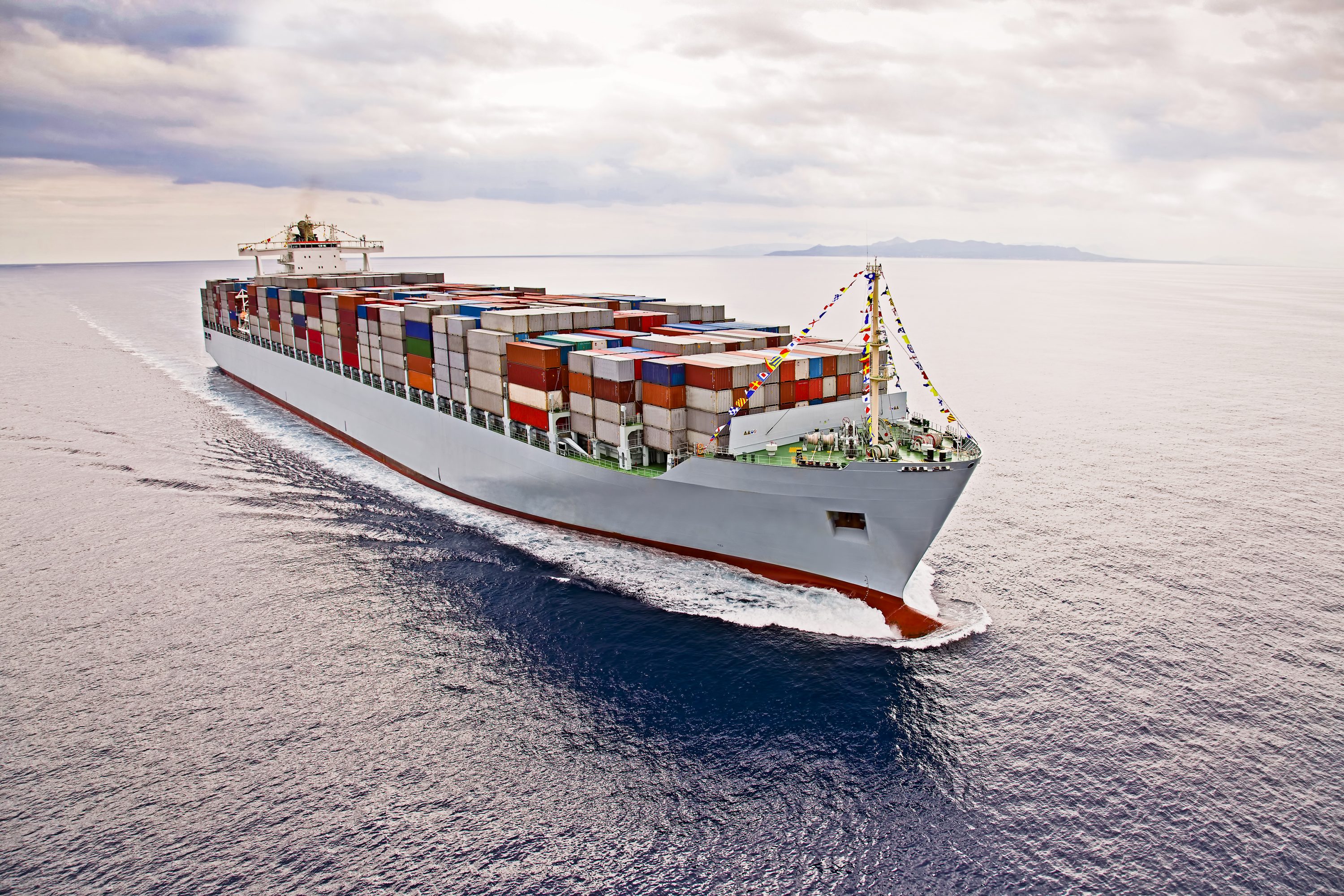
A U.S. Coast Guard cutter, the Winslow Griesser, collided with a small fishing boat in waters off the coast of Puerto Rico in August 2022. The incident led to one fatality and the total loss of the fishing boat. A year later, the National Transportation Safety Board (NTSB) released a final report on the incident, citing a lack of lookouts as a primary cause.
The Accident
The USGC vessel collided with the fishing boat, the Desakata, in the early afternoon on August 8. There were just two people on board the 23-foot Desakata, brothers Carlos Rosario and Samuel Rosario Beltran. Carlos died of injuries sustained in the collision. His brother was injured but survived.
No one on board the Winslow Griesser suffered any injuries. The NTSB began investigating the incident. Six months after the collision, Lt. Cmdr. Benjamin Williamsz, the commanding officer of the vessel was relieved of duty. The commander of the Seventh Coast Guard District cited a loss of confidence in his ability to command the vessel as the reason for his dismissal.
Investigation Findings
The NTSB released its report on the accident nearly a year after it occurred. It found several issues, but the overall problem was that neither vessel saw the other before they collided.
The USCG vessel had radar, an automatic identification system (AIS), and crew members on the bridge when the accident occurred. Conditions were clear, but the water was choppy with six- to eight-foot waves. The USCG crew never saw the boat until after their vessel hit it.
The report found that the design of the cutter’s bridge contributed to the blind spot. The officer on duty stood in the center help position. Because of the design of the window, he did not see the fishing boat.
Investigators conducted a simulation. They found that the center console on the fishing boat disappeared repeatedly from view in the troughs of waves. It would not have been consistently in view of the crew on the cutter’s bridge.
These, the NTSB reported, were design issues and unfortunate facts of water conditions. The investigators found that these could have been overcome but for issues of human error. The cutter should have set a dedicated lookout. A dedicated crew member likely would have seen the fishing boat in time to avoid or lessen the severity of the collision. The vessel was also traveling at 29 knots, which would have made it difficult to stop a collision at the last moment.
Human error at sea often has deadly consequences. In this case, even though there were some design flaws on the vessels involved, crew mistakes were the primary cause of the fatal incident. If you were injured in a vessel collision or lost a loved one in an accident, contact a maritime lawyer to find out what your rights are and how you can seek compensation.