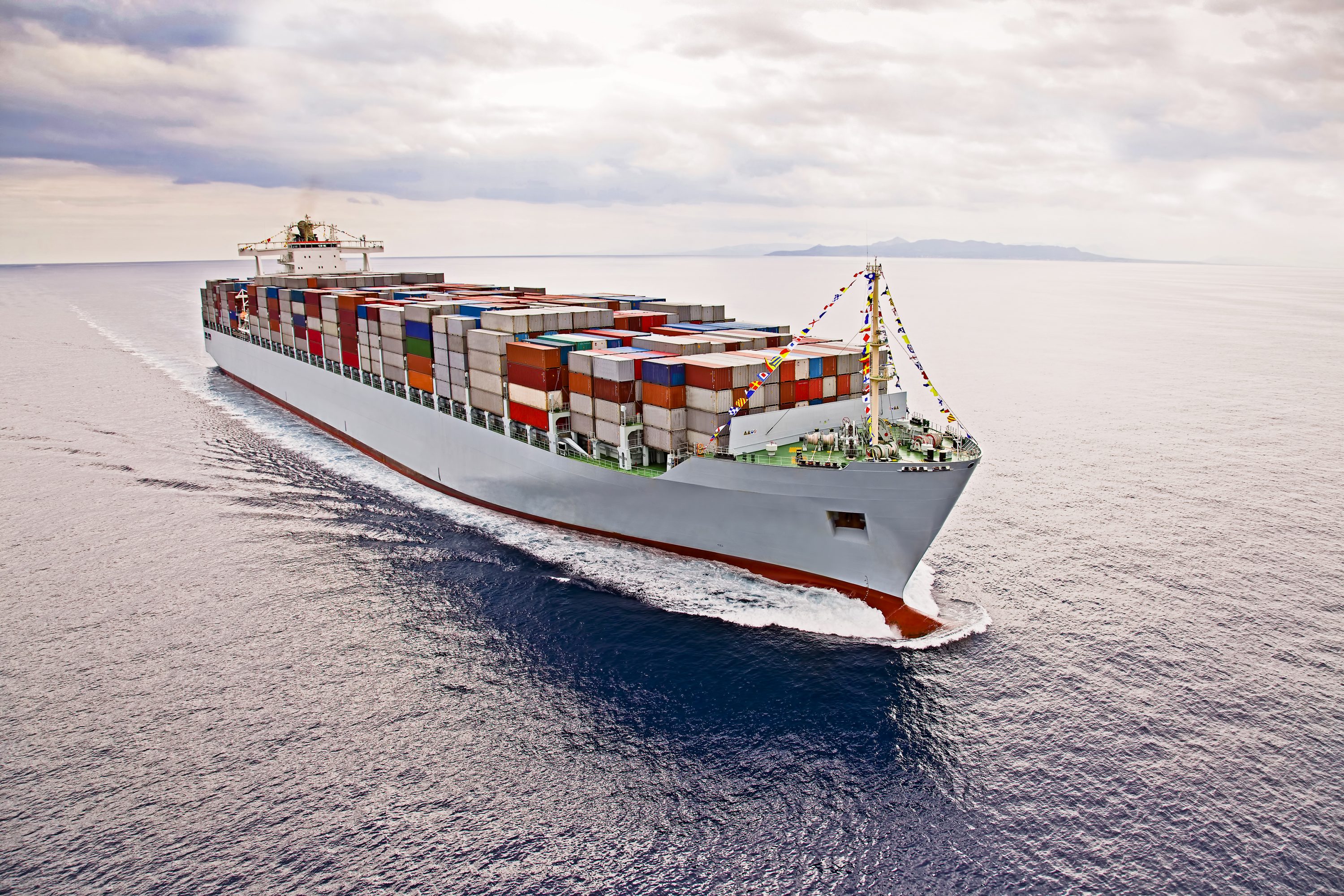
Shipping accidents can cause serious injuries and deaths. Maritime accidents also lead to big monetary losses and environmental damage from spills. Accidents may be caused by weather and rough waters, but in most cases they are due to some type of human error: an intoxicated captain, insufficient training of crew members, poor communication between crew, and many other preventable mistakes. Automated ships may be hitting the oceans soon, and with them a new era for shipping safety.
Automated Vessels
The technology needed for ships and other types of maritime vessels to operate without humans aboard is already available. Cars are being tested that can drive themselves, and ships are not far behind. Rolls Royce has spearheaded the move to get automated software systems into maritime vessels through its Blue Ocean program. The team is developing the software needed to automate ships along with display systems that can be used by crew remotely. Through these virtual reality systems, the captain of the ship can move virtually from bridge to bridge without ever leaving the safety of shore.
The British car company aims to have the first automated vessels be tugs in harbors or ferries. The ferries would only carry cars small distances across ports or rivers. The idea is to start with smaller vessels that go only short distances and work up to using automated systems on large, ocean-going cargo vessels.
Automation and Safety
Automation in both cars and ships has seen some pushback from people who believe this would be more dangerous. The truth, though, is that automated computer systems would make far fewer errors than humans, making the industry much safer and eliminating many accidents. Even when human error is not an issue, such as in cases in which weather causes a ship to collide or sink, if humans were not on the ship, the losses would only be material.
Technology that would allow ships to be operated remotely could help the industry save lives and money. It would also make shipping less harmful to the environment by preventing spills of oil and fuel, and this automated technology would help to make the shipping industry more efficient. Humans would still be needed to operate and maintain the equipment, but some jobs might be lost in the process of eliminating people from the actual ships.
Regulation Roadblocks
According to the team at Rolls Royce developing this shipping technology, the benefits will be huge, but regulations may pose serious problems. Currently, it is illegal under international low to have a ship on the water operating without a crew on board. While the technology is advancing rapidly—and in many ways it is already there and ready to use—changing the regulations that would allow ships to go out unmanned may take much more time and effort.
In addition to the law regarding unmanned ships, other concerns that need to be addressed include how to insure these vessels and where liability would lie in the event of an accident. Several groups in Europe, including the Maritime Autonomous Systems Regulatory Working Group in the United Kingdom, are trying to figure out what regulations will need to be changed and how to make it happen in order to get safer, automated ships out on the sea.