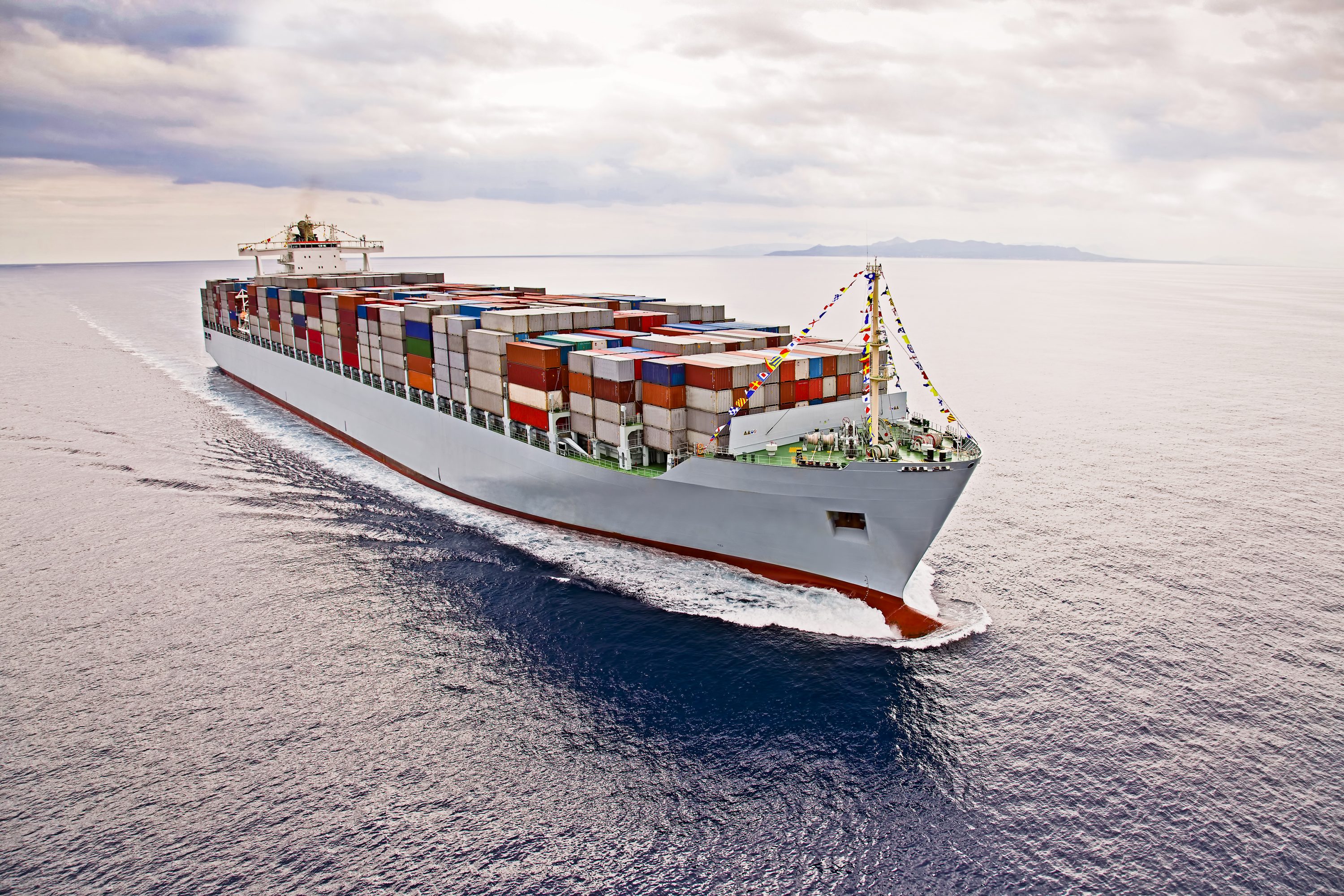
The shipping industry is responsible for about 80% of transportation in global trade. Accidents in shipping have major ripple effects, harming people and the environment and disrupting trade. Current forecasts suggest that the use of autonomous ships should continue to grow in the coming years, improving efficiency and safety in shipping.
The Current State of Autonomous Shipping
Autonomous vessels, like vehicles, use sensors and artificial intelligence to navigate without humans. Small vessels are already operating, autonomously performing tasks like checking water quality or monitoring infrastructure.
In 2022, the first large vessel to navigate completely without human intervention maneuvered through the Iyonada in Japan and docked without incident. The ship was the Soleil, a car ferry that traversed a route that is difficult even for human operators.
Several companies are expected to introduce more and larger automated vessels in the near future. A Norwegian container ship should begin operating in 2024, autonomously moving fertilizer from its manufacturing location to a port for export. China has introduced the Shi Fei, a 120-meter container ship that has already moved some cargo autonomously between ports.
The Port of Stockholm is set to introduce autonomous ferries and is spearheading research into the use of autonomous vessels. A major point of study is the safety of operating vessels this way.
The Benefits of Autonomous Ships
The overarching hope of autonomous vessels is that they will reduce accidents. Human error leads to most accidents at sea, including vessel sinkings, collisions, and grounding. These accidents cause injuries and fatalities, disrupt the supply chain and introduce economic losses, and sometimes harm the environment.
For workers in the maritime industry, safety is a big concern. Although autonomous shipping could reduce maritime jobs, it will also make working in the industry safer. There will be new roles for trained workers in the industry. Managing and maintaining autonomous ships will require a new set of skills and workers.
Shipping accidents also often cause environmental disasters, such as oil spills. Fewer accidents will reduce these incidents. Furthermore, most autonomous vessels are now being built to be more eco-friendly and with significantly reduced carbon emissions.
The Future of Autonomous Shipping
While the benefits are major, there are also challenges associated with autonomous shipping. The technology has improved vastly but is far from perfect. The costs to build these high-tech ships is very high. Humans need retraining to maintain and manage these new vessels.
Finally, safety, although expected to improve overall, is still a potential issue. A tech-driven safety challenge is the risk of cyberattacks.
In spite of the challenges, the autonomous maritime industry is growing. According to a global market report, the industry was worth $6.88 billion in 2022 and is expected to grow to $7.34 billion in 2023. The projected growth by 2027 is $9.47 billion. The demand is driven by the expected reduction in accidents, which result in both human and financial losses.
The future of shipping is autonomous. For maritime workers, this might seem problematic, but there will always be room for skilled workers in the industry. And, for those workers, jobs will be much safer.