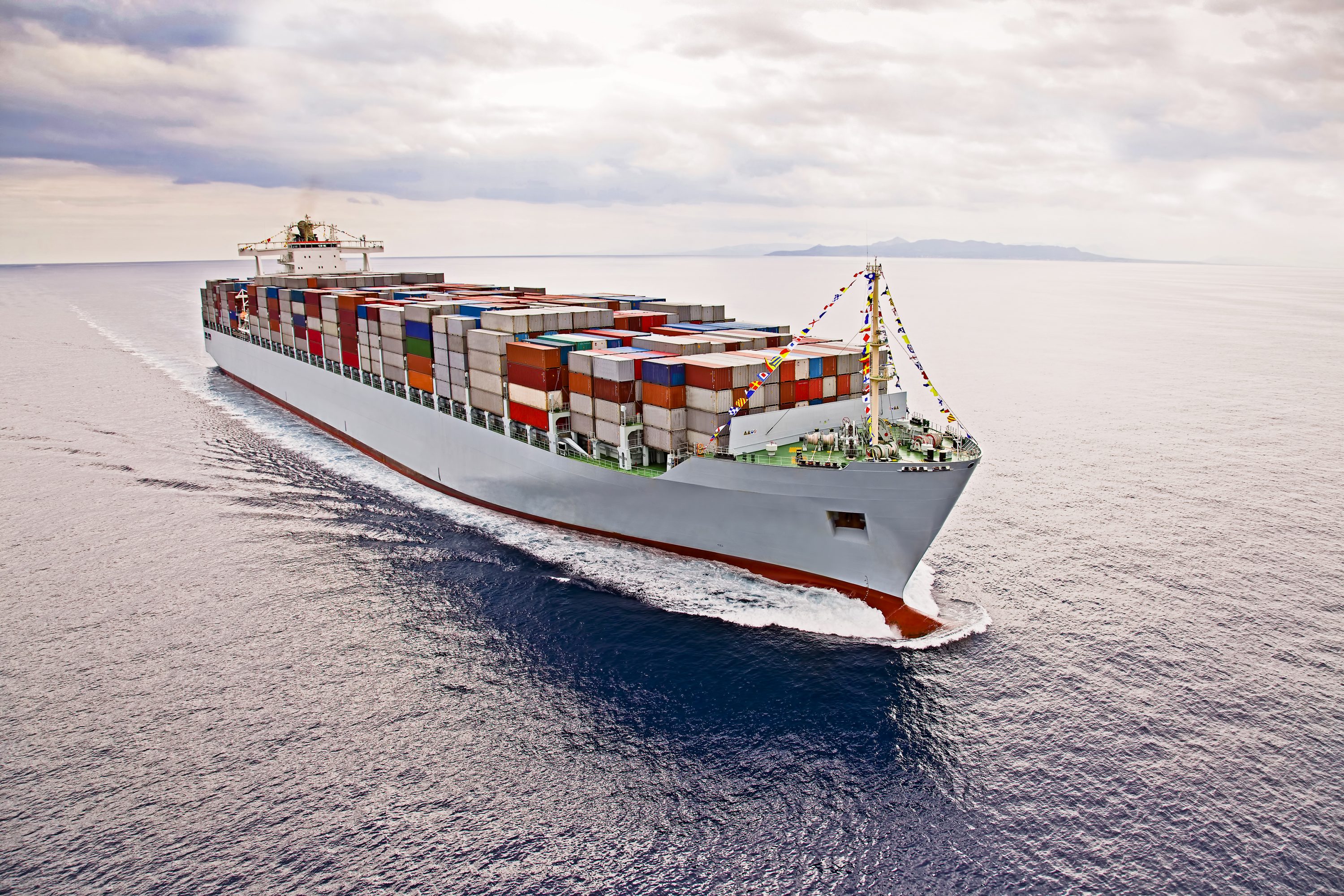
Men and women who work on ships face a number of dangers. This is a high-risk injury and workers can be hurt in minor and serious ways, even killed as the result of accidents. Unfortunately many of the accidents are preventable. A new study published in Risk Analysis: An International Journal has pinpointed what could be the most effective way to prevent and reduce injuries in people who work in the shipping and other seafaring industries: personal protective equipment.
A Survey of Seafaring Risk Factors
The study, a survey conducted by researchers from Singapore, included men and women working on ships from China, Singapore, South Korea, and Vietnam. Using an extensive survey, they determined the many potential risk factors that can lead to injuries in seafaring jobs.
The risk factors were numerous and included age and gender, work experience, ship type, position and time in that position, duration of onboard tour, injuries incurred during latest tour, maintenance, procedure design, risk communication, and more. The survey also included several aspects of personal protective equipment (PPE):
- Availability of PPE
- Training in how and when to use PPE
- Actual usage of PPE
- Reasons PPE is not used
PPE in shipping and other maritime industries may include protective clothing, goggles, safety shoes, a helmet, gloves, ear plugs, safety harnesses, and face masks, as well as other gear specific to certain jobs.
Study Results
The results of the study and survey indicated that PPE is important. The researchers found that 14 percent of workers had experienced an injury on their last tour. About four percent reported that they were not trained on the use of PPE. Among that group the rate of injury was 33 percent higher.
Just having PPE available proved to be the best option to decrease the risks of injury and the rate of injuries resulting from accidents. The results also showed that being aware of risks and learning how PPE could have been used in an accident would also reduce injuries. Yet, less than 18 percent of workers said that their employers shared lessons learned from accidents with them.
Study Recommendations to Reduce Injuries
The results of the study were clear and indicated that PPE availability and training were among the most important factors in reducing injury risk on ships. The researchers made several suggestions for improving safety and preventing injuries:
- Include proper and maintained PPE on ships at all times.
- Review the need for PPE periodically to ensure workers have the appropriate equipment for their jobs and associated risks.
- Provide training for workers in how and when to use PPE.
- Improve risk awareness in workers by sharing information about common injuries, recent accidents, risk assessments, and how PPE could have prevented injuries.
- Develop a workplace culture that prioritizes safety and the use of PPE over efficiency.
If you work in shipping, insist on access to and training in PPE. You have a right to a safe workplace, and if you are injured, you have rights. Your legal rights may include suing your employer or seeking compensation under a federal law like the Jones Act. Contact an experienced maritime lawyer to help you decide what steps to take after a work injury or accident.