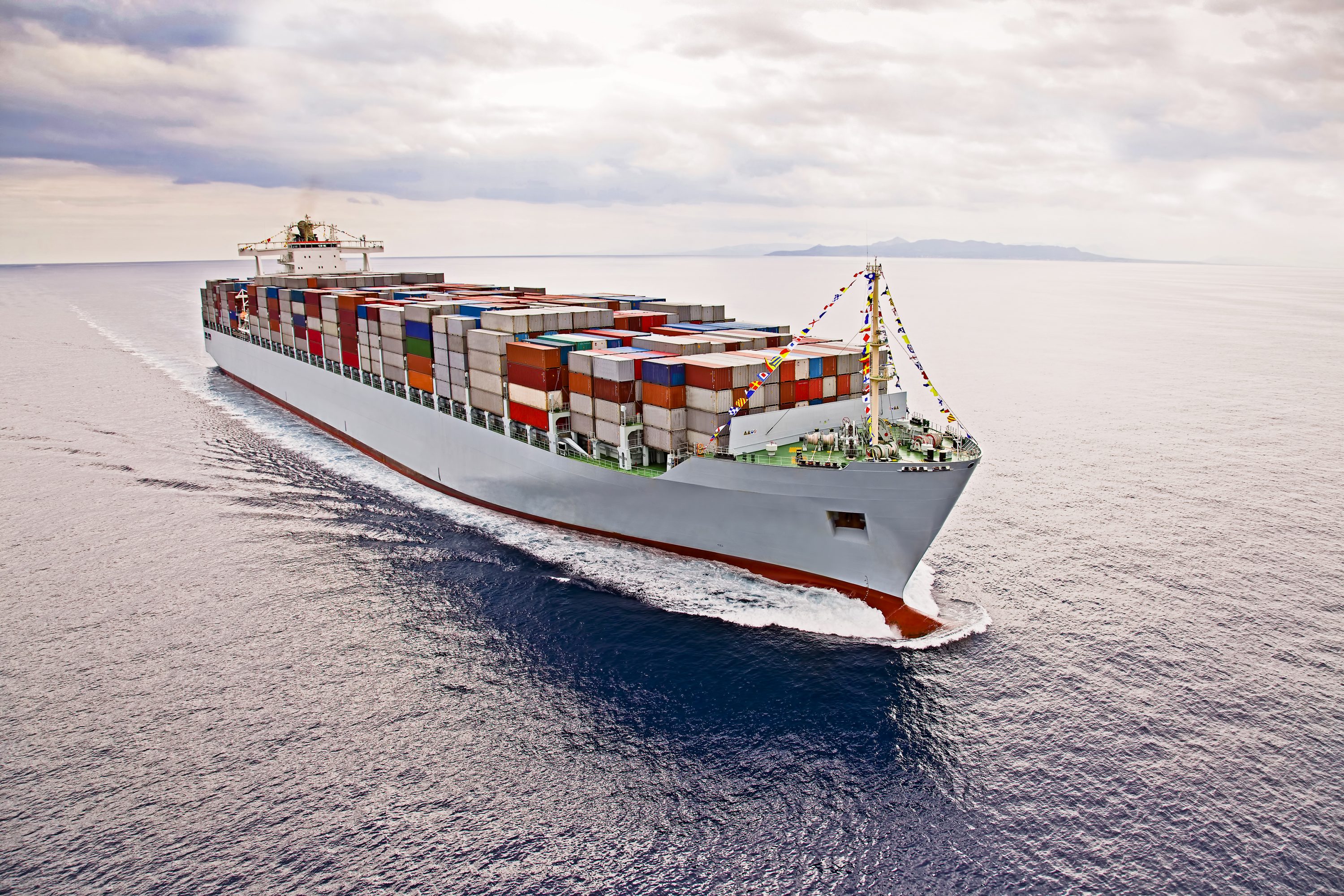
The National Transportation Safety Board (NTSB) is a federal agency that investigates accidents related to aviation, railroad, highway, and maritime transportation. Every year the agency puts together a report on maritime accidents to summarize what has gone wrong throughout the year and what lessons have been learned from those mistakes. This report and summary helps everyone in the maritime industry discover and implement better safety measures to reduce accidents and injuries. The most recent report includes lessons from 41 significant accidents.
Crew Fatigue
The NTSB reports that inadequate sleep and fatigue are ongoing factors related to accidents in the maritime industry. Crew fatigue is a leading cause of incidents. It is an issue in all maritime industries, but it is in the commercial fishing world that fatigue is most dangerous. Fatigue impacts decision-making, judgement, and productivity. Ship owners and captains must ensure that all crew on all types of ships get adequate rest and break time. This sometimes means hiring more crew so that there are enough people on board to have regular breaks.
Weather
Heavy weather has continued to be a major factor in accidents with ships, most notably in the recent report the sinking of El Faro. The container ship sank in waters between Florida and Puerto Rico in 2015, but it took more than two years to complete the investigation of the accident that killed the entire crew. The ship sailed into a hurricane and sank after other problems became issues, such as poor watertight integrity.
The NTSB suggests that crew need to make better decisions in the face of heavy weather. Weather predictive equipment and reports need to be up to date and should be taken seriously. It is important for crew to delay heading out or come into port early as needed when weather could be dangerous.
Watertight Integrity
Failure to keep water out of vessels was a factor in several accidents investigated in the report. In fact, this was the number one cause of the loss of ships. Owners of ships, according to the NTSB, need to conduct more regular maintenance and oversight of watertight bulkheads and hulls to maintain watertight integrity and to avoid these often fatal accidents. Ensuring bilge pumps and pipes, alarms, and watertight doors are in good working order is also important.
Distractions
Just as on the highway and roads, using a cell phone or similar device can prove to be a fatal distraction. The NTSB reported on more than one maritime accident that was caused by crew being distracted by a phone, either talking, texting, or otherwise giving visual attention to the screen instead of to the vessel. Two accidents of note that could have been avoided with less crew distraction were those of the Aris T and the Nordbay.
Bridge Resource Management
Several investigated accidents were related to a failure to use and take advantage of all available resources on the bridge. These include radar, charting systems, feedback from watchstanders, and navigation equipment. Too many crews relied solely on visual cues and failed to use the technology designed to help make better choices and avoid accidents.
A number of shipping accidents were potentially avoidable if the crew had made better use of bridge resources. These included cases in which there was a pilot on board taking over the vessel. The crew in these cases should not have used the presence of a pilot as an excuse to not use the resources or to keep watch.
These and other factors were one or more causes of multiple accidents identified in the NTSB report. Vessel owners, captains, and other crew members can learn from these incidents and the analysis that goes into determining causes. When these mistakes can be avoided, accidents, injuries, and deaths can be prevented.