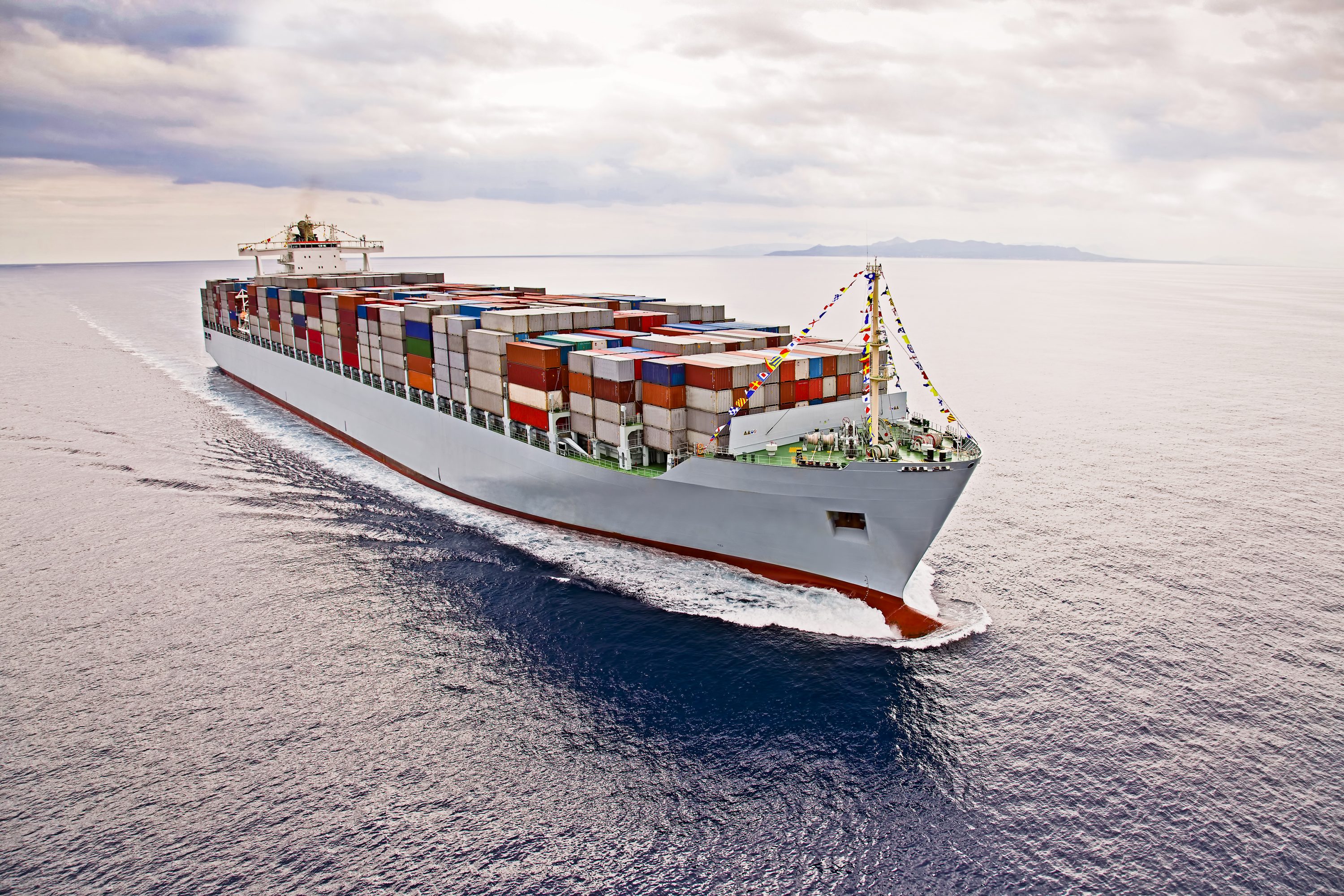
The tragic sinking of the El Faro in 2015 resulted in the loss of 33 lives. The entire crew went down with the cargo ship sank in the middle of Hurricane Joaquin as it made its way from Jacksonville, Florida to Puerto Rico. A long investigation of the maritime accident uncovered mistakes and flaws in the system that are now being addressed with legislation. The U.S. Congress easily passed a bill that will now go to the president and that will hopefully prevent future accidents on the same scale as the El Faro tragedy.
The Sinking of the El Faro
On September 29 the El Faro left Florida, heading for San Juan and loaded with 391 shipping containers, nearly 300 trailers and vehicles, and 33 crew members. By October 1, a tropical storm had turned into Hurricane Joaquin and the ship faced huge swells and high winds as it moved right into the eye of the storm. The El Faro took on water during the storm and began to list. It was reported missing the next day, and declared a sinking on October 5.
The subsequent investigation of the sinking found several likely causes and resulted in multiple recommendations by the National Transportation Safety Board. A major cause was the failure of the captain of the shop to recognize the danger of the hurricane and to avoid it. He didn’t use the best weather information and he did not muster the crew until it was too late. Other factors included an insufficient safety management system, an open scuttle and damaged seawater piping that caused the ship to take on water, and low oil pressure that led to loss of propulsion.
The Maritime Safety Act of 2018
Congress unanimously passed this bipartisan bill that addresses maritime safety largely based on the findings from the El Faro investigation. There were so many errors and issues beyond the immediate causes of the sinking that needed to be addressed. It is hoped that this bill, once signed into law, will greatly improve maritime safety. Some of the highlights of the bill include requirements that:
- The U.S. Coast Guard conduct proper inspections of seagoing vessels.
- Data recorders are able to float free after an accident, like a sinking.
- That crew have the safety gear necessary, such as covered life boats.
- That crew have timely and accurate weather forecasts.
- Freight ships have high-water alarm systems installed.
- The establishment of a safety alert program that is anonymous, which will allow crew to report issues directly to the Coast Guard without fear of repercussions.
- Auditing of safety management systems on current ships and safety training of crew.
The bill passed the Senate with unanimous bipartisan support and it is expected to be signed into law by the president. The safety bill is important for protecting the lives and well-being of maritime workers who put themselves in harm’s way every time they do their jobs. Families of those who lost someone on the El Faro were instrumental in constructing the bill, and they hope that it will go a long way toward making maritime work safer for everyone.