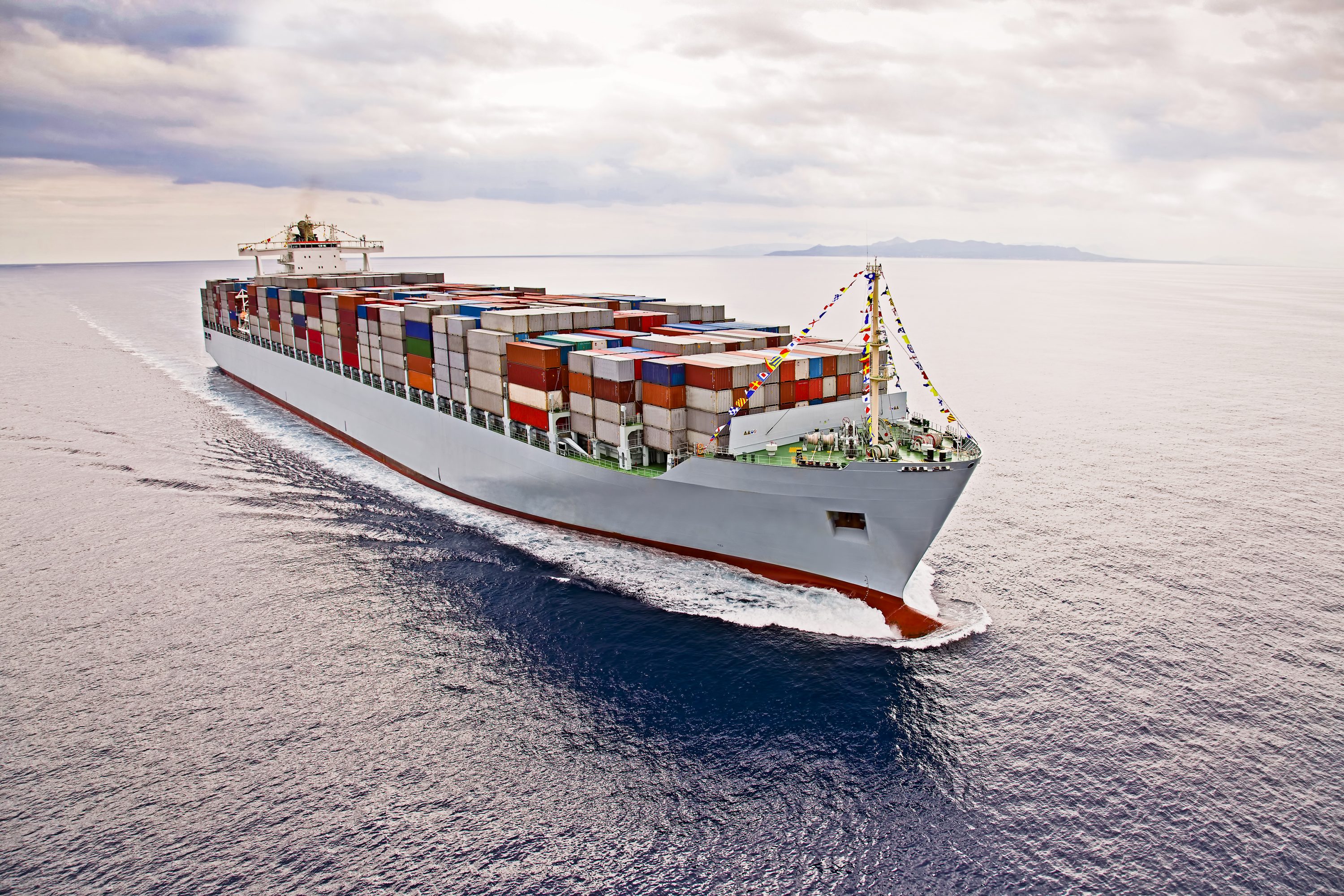
The El Faro was a U.S.-flagged cargo ship that sank in the Caribbean on October 1, 2015. Tragically all 33 crew members were lost with the ship as it sailed into Hurricane Joaquin on its way from Jacksonville, Florida to San Juan, Puerto Rico. The ship ceased communications early on October 1 and was declared missing the next day. A search was conducted by the U.S. Coast Guard, Air Force, Navy, and Air National Guard, but only debris could be found and recovered.
The sunken ship was found nearly a month later and eventually the ship’s data recorder was found. The so-called black box provided detailed information that helped the National Transportation Safety Board (NTSB) investigate the accident and determine what went wrong. The NTSB has now released an illustrated digest of the final maneuvers the ship made, and there are three new books out that use the black box information to describe the tragedy in detail.
The Last Hours of the El Faro
The information recorded in the black box includes conversations between crew and the captain, Michael Davidson, including those during the last few hours before the ship sank. Early in the morning of October 1, the conversations indicate that the ship was listing. There are discussions about what to do to correct it.
At 4:45 that morning the captain downloads a weather report that he could have accessed the previous night. He then compared it to a more recent weather report and seemed confused about conflicting information about the hurricane. An hour later crew members begin pumping water from the bilges and others report that there are cars loose in the cargo area.
The information goes on to indicate that the list of the ship continued, in spite of maneuvers to counteract it, that the engine room alarms sounded, and that the cargo holds continued to take on water while the ship lost speed. Just after 6:00 that morning the ship lost propulsion. The captain did not send an emergency message to shore until 7:00 and indicated that there was no reason to abandon ship. His order to abandon ship did not come until 7:30 and by 7:39 the black box stopped recording.
NSTB Issues Safety Recommendations
After an extensive investigation of the tragedy the NSTB issued the illustrated digest along with 60 safety recommendations related to the causes of the maritime accident and factors that made it worse. Some of the recommendations are:
- Better storm forecasting and access to reports
- Use of engines that operate better when ships list at large angles
- Enclosed lifeboats
- Personal locator beacons on crew
- Meteorology training for officers
- Damage control plans on all vessels, regardless of age
- Protection for supply piping in the cargo holds
The causes of the El Faro tragedy were multiple, and the many recommendations from the NTSB reflect these. The investigation found that the captain was largely to blame. He used old weather forecasts to determine course as a hurricane approached and failed to muster the crew to abandon ship in a timely manner. He disregarded the concerns of his bridge team as well. Some of the blame also lands on the shipping company, TOTE. The company did not provide adequate oversight, did not keep the ship up to date for safety and failed to provide safety procedures for the crew.
The El Faro tragedy could have been avoided, and the new information now released by the NTSB and by authors of the latest books on the sinking will help the public better understand what went wrong. These may help to put pressure on the industry to make shipping safer for crew and to prevent such tragic accidents in the future.