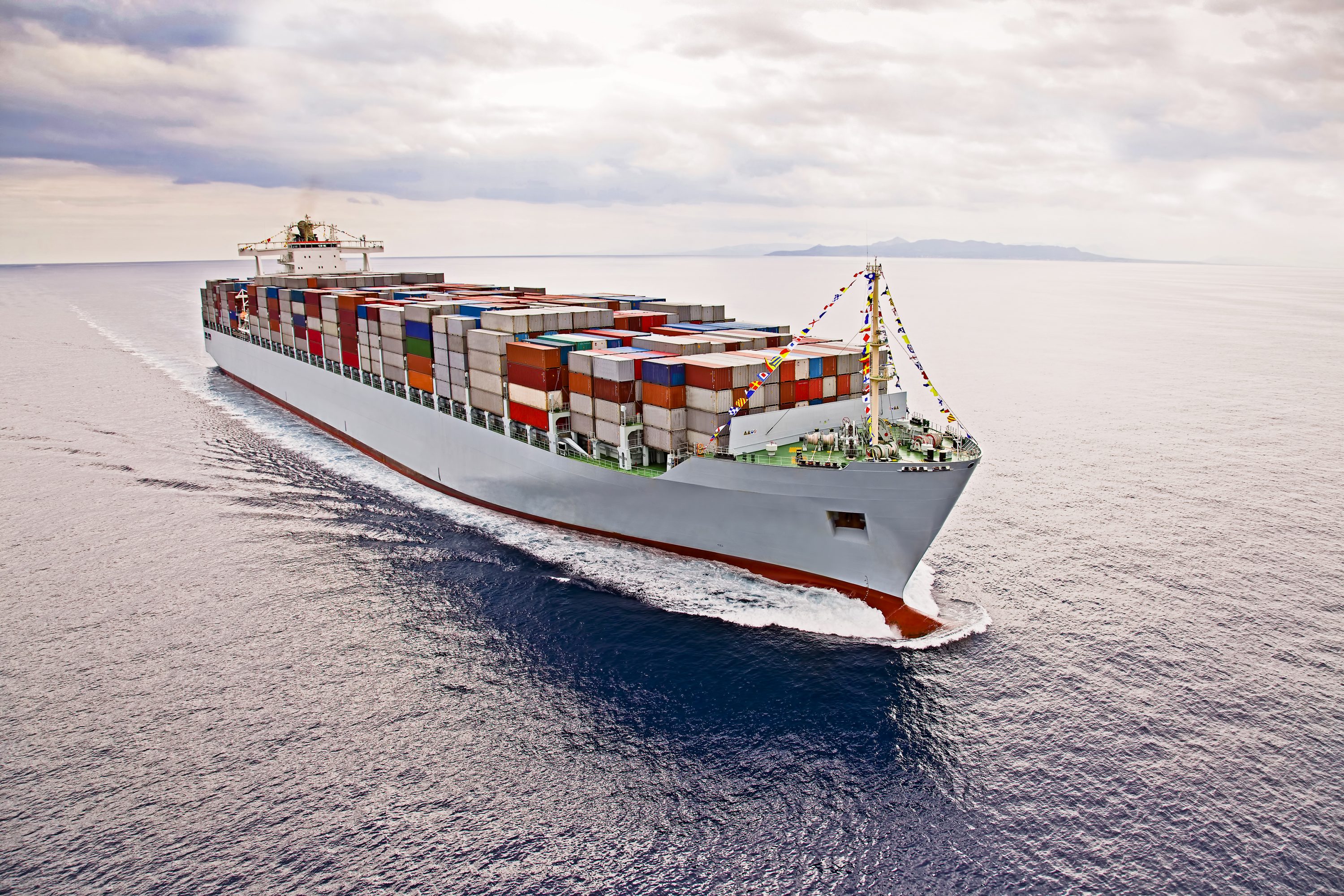
Early on the morning of October 13, a bulk carrier cargo ship called the Emerald Star capsized and sank in the Philippine Sea. The ship was staffed by a crew of 26 Indian sailors, and while 15 were rescued quickly by other vessels in the area, eleven were missing and have still not turned up in search and rescue missions. They are now presumed dead. The ship had been carrying nickel ore, and it may have undergone a process called liquefaction that contributed to or caused the capsizing.
Emerald Star Capsizes and Sinks
The incident occurred on Friday morning, October 13. The over 33,000-ton ship was crewed by 26 men from India and sent out a distress signal early in the morning. The ship was registered in Hong Kong and was on its way to China from Indonesia transporting nickel ore. The Emerald Star was about 174 miles from the northern side of the Philippines when the maritime incident occurred. The distress signal was received by the Japanese Coast Guard. Three other ships in the area were able to quickly rescue 15 of the crew members. The Coast Guard attempted to rescue the remaining crew by dispatching rescue teams, but a typhoon in the area thwarted the efforts.
Metal Ore Liquefaction
The nickel ore being carried on the ship is thought to have caused the accident. The ore likely liquefied, causing the cargo to shift and the vessel to list and capsize. Liquefaction occurs when a fine-grained cargo like the nickel ore takes on the properties of a fluid. It then moves in a way that would not have been expected when it was loaded onto the ship as a solid. Liquefaction of an ore like this occurs when the moisture level in it is higher than a certain level. The risk of liquefaction is especially great when cargo like ore is loaded during the rainy season
How Liquefaction Can Cause Capsizing
Reports from some of the survivors of the Emerald Star’s capsizing and sinking show that the liquefaction of the cargo was likely the cause of the accident. The survivors described that the ship began to list to the port side before the tragic accident and that they were unable to control the listing. The fluid-like movement of the nickel ore caused the cargo to shift in ways that destabilized the ship and led to the list to port that got out of control.
Cargo that is at risk of liquefying is supposed to be inspected for moisture content. It should not be loaded onto a ship if this measurement exceeds the TML, transportable moisture limit. A certificate is typically issued to show it is within the limit before the cargo is loaded and transported. The Emerald Star accident is raising questions about the accuracy of the inspections or whether they are occurring at all. There have been reports that inspectors may be bribed to give out a TML certificate. The responsibility is ultimately with the ship’s mater who is not supposed to accept cargo without an accurate TML certificate.
The incident that has led to eleven missing crew members is likely to end in tragedy. The search and rescue efforts are winding down and the sailors are presumed to be dead. This terrible accident could have been prevented if the rules had been followed and the cargo moisture level determined correctly and accurately. By taking short cuts on TML certificates, entire ships and crew may be lost.