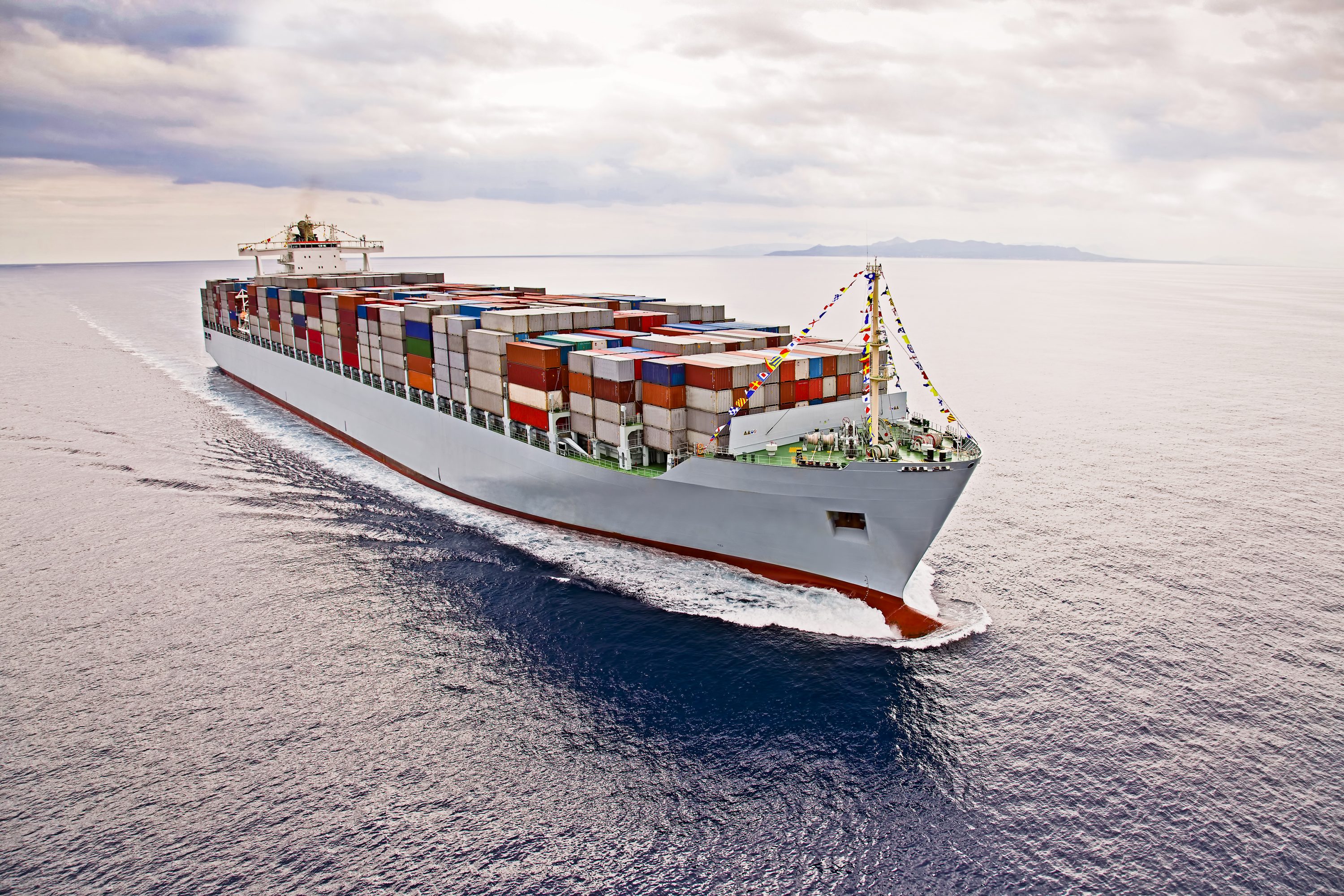
The 2015 sinking of the cargo ship El Faro was a tragedy that led to the loss of all 33 people on board. The ship was traveling between Florida and Puerto Rico when Hurricane Joaquin hit it with 150-mile per hour winds. The ship was declared missing, a search was launched, and debris was found. The ship was declared to have sunk a few days later. Now, the accident report from the U.S. Coast Guard has found that the captain was largely to blame but that there were other safety issues as well.
The Captain’s Failure to Act
The Coast Guard report found that the main reason that the ship sank was that Captain Michael Davidson failed to change the route as the hurricane approached. The ship made regular, routine trips between Jacksonville, Florida and San Juan, Puerto Rico, but there was nothing routine about the final voyage. As the hurricane gained speed, the captain misjudged its forcefulness and the ability of the ship to withstand the powerful winds.
The captain had been recorded telling crew members that the weather was fine just a few hours before the ship sank. The recordings also demonstrate that the crew became increasingly panicked as the ship fought he wind and waves after losing propulsion. They were also facing the dangers of shifting cargo. In addition to making the bad decision to stay the course in the face of the storm, the captain did not take aggressive enough measures to save the ship when it got stuck. The Coast Guard stated that if Captain Davidson had survived the incident his license would likely be revoked.
Safety Errors Worsened the Situation
The captain’s lack of action may have led to the situation in which the ship was forced to go through the hurricane, but once in the bad weather there were other safety problems with the ship that made it less likely the crew would survive. For instance, the Coast Guard recommends all ships have enclosed lifeboats. Captain Davidson ordered his crew onto the ship’s lifeboats, which were not enclosed. Even if the crew had been able to get on them, they would have offered little protection from the storm.
The owner of the El Faro, TOTE Maritime Inc., may also have some blame in the tragic accident. The company had failed to replace a safety officer on the ship so the duties of the position were spread out among various managers. The maritime company also violated rules about working hours and rest times for the crew.
Another issue was how the cargo had been loaded into the El Faro. TOTE Maritime stopped using helpers in the port to load cargo safely. As a result the crew was rushed in loading the cargo to keep on schedule. The cargo was not loaded evenly and a photograph of the ship leaving the port proves that this caused it to lean to one side. This likely contributed to its sinking in the storm.
The sinking of the El Faro and the loss of the crew was the worst accident involving a U.S.-flagged ship since 1983. None of the bodies were ever recovered and the ship now sits under 15,000 feet of water near the Bahamas. The tragedy is compounded by the fact that the report indicates the accident likely could have been avoided. If the company had followed better safety procedures, had better safety equipment, and had not skimped on cargo loading, and if the captain had made better decisions, the crew may have survived the storm. The tragic accident will probably lead to changes to safety inspection systems, which may save lives in the future.