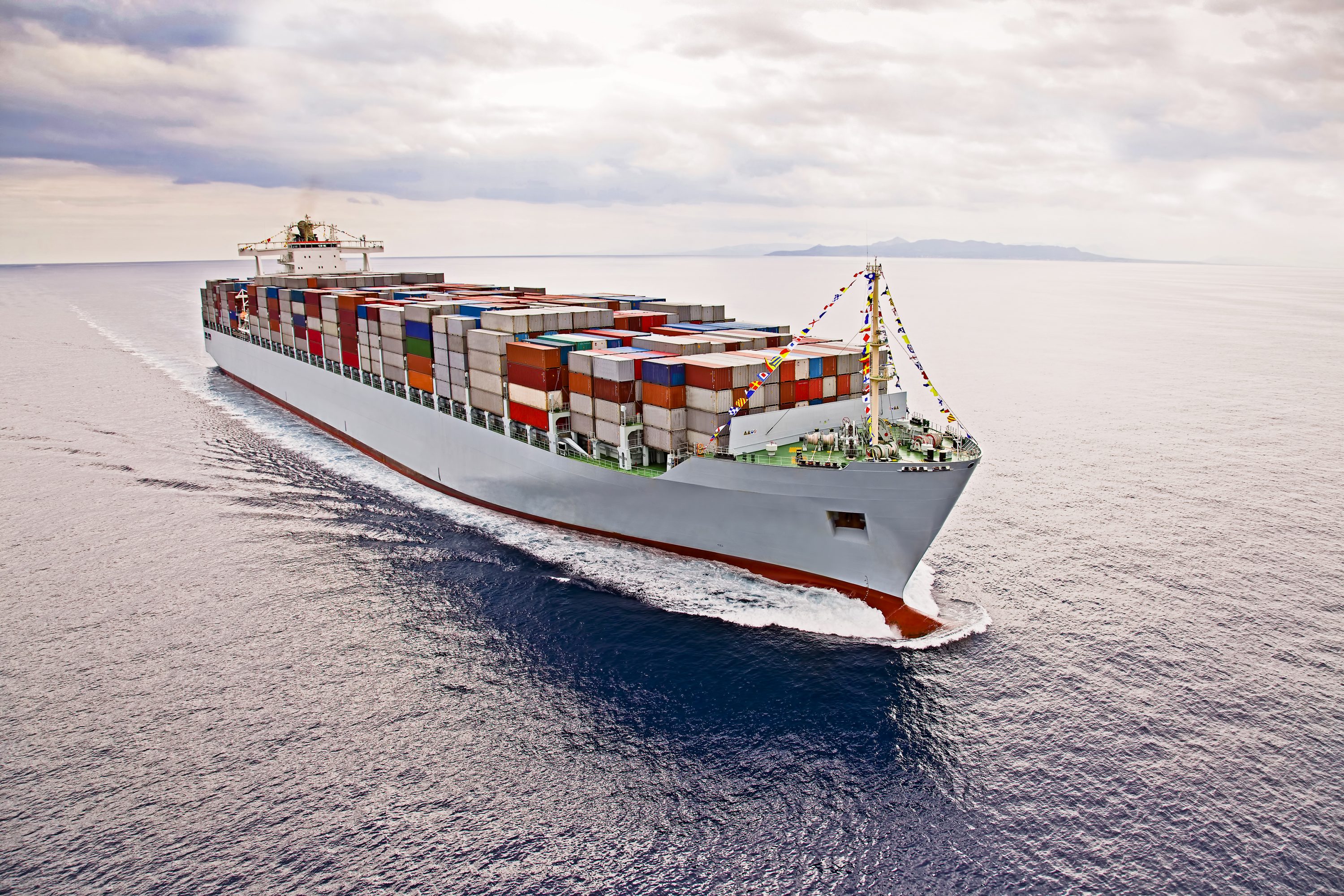
Two recent and deadly accidents in the Singapore Strait have left twelve people dead and three missing, likely dead, and have raised serious questions about safety and overcrowding. The accidents occurred on August 21 and September 13 and are raising serious concerns that the port is too crowded, especially in light of the country’s push to become an even bigger player in the maritime industry.
The Accidents in Singapore Strait
The first of the recent accidents occurred in August when the U.S. Navy’s USS John S. McCain collided with a large oil tanker. Ten sailors on the John S. McCain were killed in the incident, but no one on the larger tanker was harmed. As the Transport Safety Investigation Bureau of Singapore was investigating the accident, another fatal tragedy occurred: an Indonesian tanker collided with a Dominican dredger. The second accident killed two crew members. Three were missing after the accident and presumed dead.
The Port of Singapore is Busy
The Singapore Strait leads into the Port of Singapore, a major hub and crowded port. Nearly 130,000 vessels come into the port each year, and this means that every two or three minutes there is another vessel coming or going. The waters around the port are among the busiest and most crowded in the world. A new port is planned nearby at Tuas, and this port will be able to handle even more vessels.
The recent accidents have raised very serious questions over how to make the waters safer. With the new port opening in 2021, the number of vessels navigating the already crowded waters could be doubled. This presents even more challenges for navigating in an area that is already causing serious accidents.
It is more than just a busy port and strait. The waters here have many hazards, including the fact that there are so many vessels of different sizes. When the U.S. Navy ship collided with the tanker, the accident ended in tragedy because of the extreme size difference. The John S. McCain was much smaller and suffered extensive damage that led to the deaths.
Other issues include the narrowness of the strait, which regularly has ships passing by each other at distances of less than a nautical mile. Add to this the fact that conditions in the area can change rapidly and that ships often pass through in poor weather and limited visibility, and accidents become more likely.
The Need for Greater Emphasis on Safety
Ships moving through the Singapore Strait are already required to have radar and other devices that help track and monitor navigation and the locations of other ships. The local authority also has this technology to manage ship movements. In fact, during the second accident the Maritime and Port Authority of Singapore alerted the two vessels that they were going to collide. Unfortunately the information, although received, was not able to change the outcome.
What critics argue is that these safety measures and technology are important, but safety ultimately comes down to the people operating the vessels and equipment and that there is a problem with the culture, that safety is not prioritized. Too many shipping companies have top management that put safety aside in favor of bigger profits, say critics.
The recent accidents were tragic, and many in the industry agree that something needs to change. The technology is important, but changing the culture and training employees may prove to be the factors that make a real difference in safety.