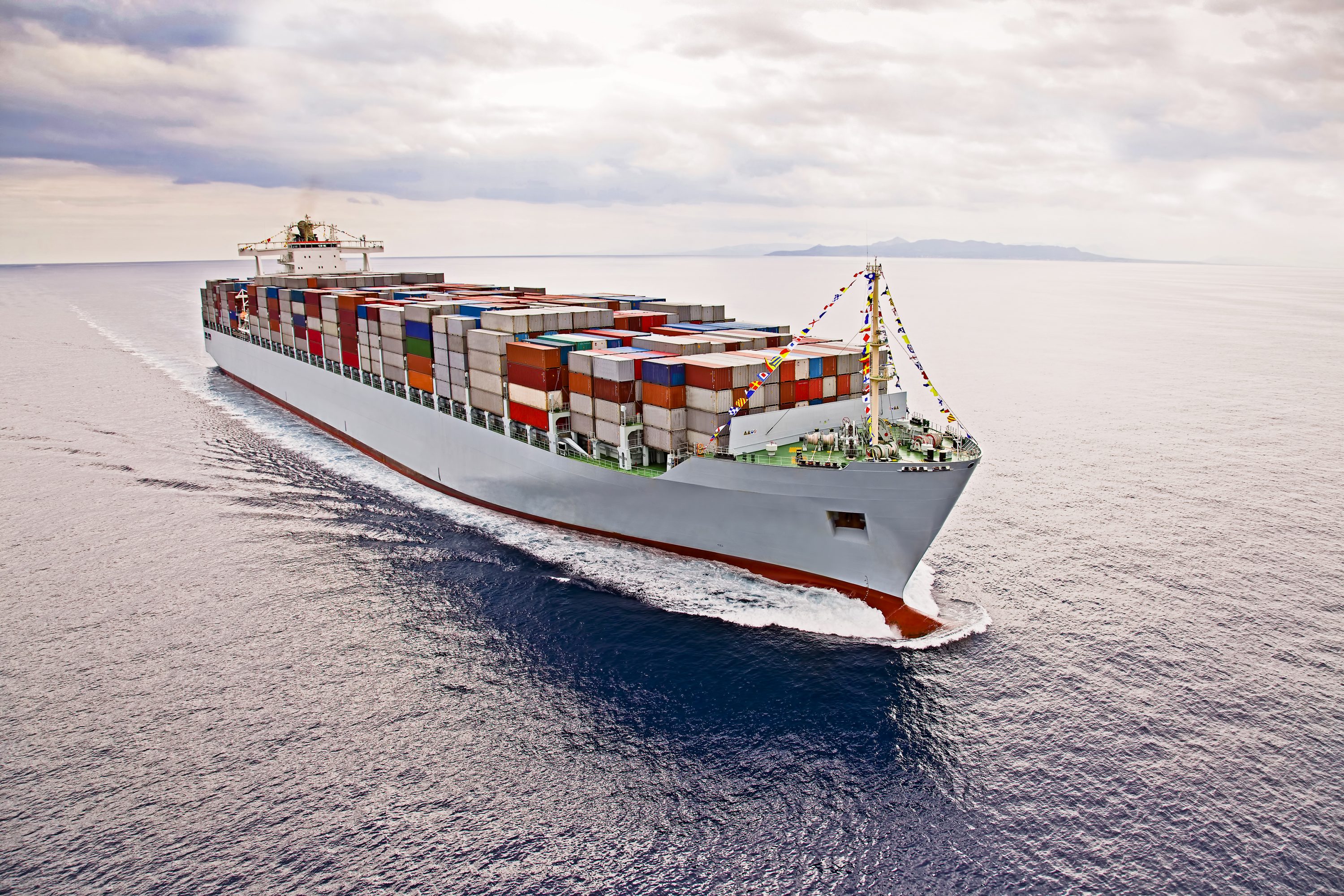
Also known as “ghost ships,” autonomous, crewless ships may just be the future of the maritime industry, and that future could be a lot safer. Accidents in the maritime industry are common: collisions, groundings, fires, and more. And the main cause of these accidents is human error. Computer-operated ships are coming soon and those advocating for the ghost ships say that lives will be saved because of it.
Safety and Autonomous Shipping
The maritime industry can be very dangerous. Crew members on all kinds of ships put their lives on the line every time they ship out. Crew can be hurt or killed by shifting cargo on board, by fires or electrical accidents, by collisions with other ships or inert objects, by running aground, and even by assault caused by the stress of working too hard without reset in tight quarters. Men and women on ships may fall overboard, be seriously injured by equipment, drown, suffer hypothermia, and develop repetitive use injuries.
These and even more dangers of working on ships, makes the maritime industry one of the riskiest workplaces in the world. The idea behind using autonomous ships is to save money but also to make the industry safer. There are many causes of accidents in the industry, such as bad weather, rough water, and faulty equipment, but ultimately most accidents come down to human error. If humans were replaced by computers, accidents would likely decrease significantly.
First Autonomous Ship Set to Sail by 2020
What may be the world’s first autonomous ship is being constructed right now by a Norwegian company. The Yara Birkeland is a cargo ship that the company hopes to launch in 2020. It will be crewless and totally autonomous. Autonomous ships are not yet allowed under international law, so the ship will operate in Norwegian waters only, making short trips between the country’s ports until the law changes.
That law is expected to change at some point because autonomous technology is being pushed as a logical and safe alternative to crewed ships. The International Maritime Organization is currently discussing changes to international law that would allow these ships to cover oceanic distances, revolutionizing the maritime industry. Norway is not alone in getting the technology to market. Japanese shipping companies are currently pouring millions into developing the technology. In the UK, Rolls Royce has already demonstrated an autonomous ship.
Challenges of Autonomous Shipping
While the technology behind autonomous vessels is expected to have a profound effect on safety and to save money, the idea is not free of challenges. The first and most obvious is changing laws and regulations to allow the ships to operate in the first place. It could take a long time to make that change happen, delaying the introduction of autonomous ships.
Another challenge, ironically, is safety. While experts in the industry agree that these ships will probably have fewer accidents, they also agree that when accidents do happen, they could be much worse. This is because the ships will not have crew to jump into action to stop a collision or grounding or to recover and minimize the harm caused by an accident.
Autonomous shipping, like self-driving cars, seems to be the way of the future. While there are challenges that must be overcome, it is likely that the Norwegian ship launching in 2020 will be just the beginning of an entire fleet of self-operating, crew-free ships on the oceans. The results are expected to be significant, keeping maritime workers onshore and helping to prevent accidents, injuries, and fatalities from happening.