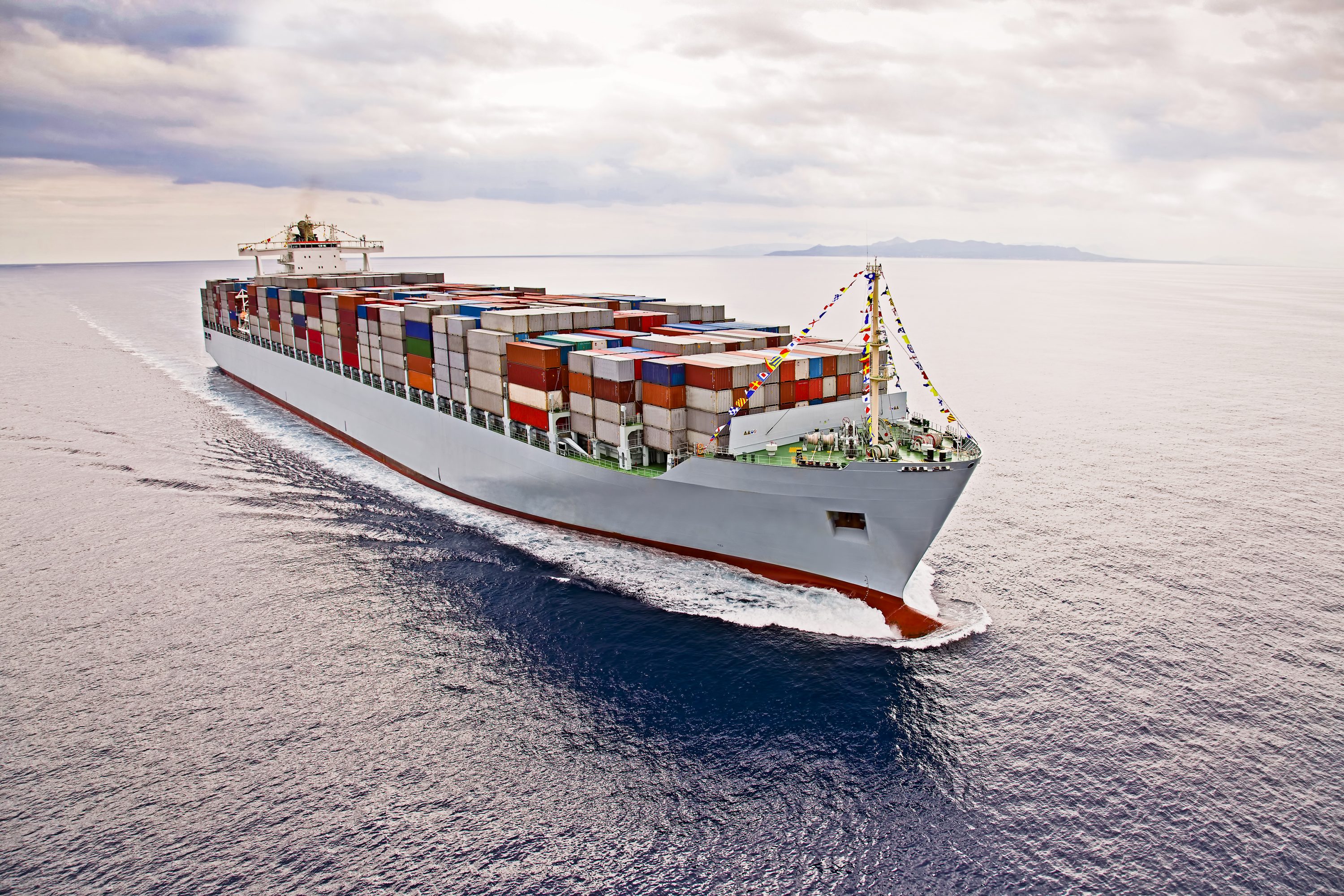
In January of this year, a boiler explosion on the container ship, Manhattan Bridge, led to the death of one crew member and serious burn injuries to another. The subsequent investigation into the accident found that it may have been a buildup of waxy material in the fuel lines that restricted fuel flow and led to boiler difficulties and eventually the explosion. The UK’s Maritime Accident Investigation Branch (MAIB) reported on the incident and made recommendations for preventing such maritime accidents in the future.
The Accident on the Manhattan Bridge
The incident occurred on the night of January 19th. The ship was docking at the Trinity Terminal in the Felixstowe port in the United Kingdom. The explosion occurred while the ship was in the process of docking and it caused a temporary blackout that made it necessary to use tugs to get the ship in place. One crew member was killed and another injured, and the ship stayed in dock for the safety investigation.
The man who died in the explosion was 35-year-old Celso Banas, the engine room oiler on the ship. The second engineer was seriously injured and suffered burns from the explosion. The two men had been trying to determine why the boiler flame was failing, and were trying to relight the boiler when the accident occurred. The explosion was forceful enough to blow out the boiler burner unit door and to cause the air diffuser from the boiler to fly out and into the room.
Low-Sulfur Fuel and Waxy Buildup
The MAIB investigated the incident since it occurred in UK waters. The ship had been in the North Sea Sulfur Emission Control Area before the accident, an area in which it is necessary to use a low-sulfur fuel to try to limit emissions. While the ship would normally use heavy fuel oil, it had switched to marine gas oil to meet the requirements of the emissions area.
The investigation by the MAIB found that fuel lines and the supply filter for the boiler had waxy buildup. It was enough buildup to restrict the flow of fuel and to cause the explosion. The marine gas oil used at the time has high paraffin wax content as compared to heavy fuel oil, and in the cold environment in which the ship had been operating, the wax crystalized out of the fuel, causing the buildup.
The MAIB made several suggestions for how to prevent such explosions in the future, including the need for better testing of the fuel for its low temperature limits. The agency also recommended that crew members on ships using marine gas oil check components for signs of wax buildup and perform regular inspections of the fuel filters. It was also recommended that the fuel be kept above a certain temperature to prevent the crystallization of the wax.
The accident that occurred on the Manhattan Bridge could have been avoided with better inspection and maintenance as well as with better training on operating with marine gas oil. The workers should not have died or suffered severe burns, but the injured man and the family of the deceased have rights to seek justice and compensation.