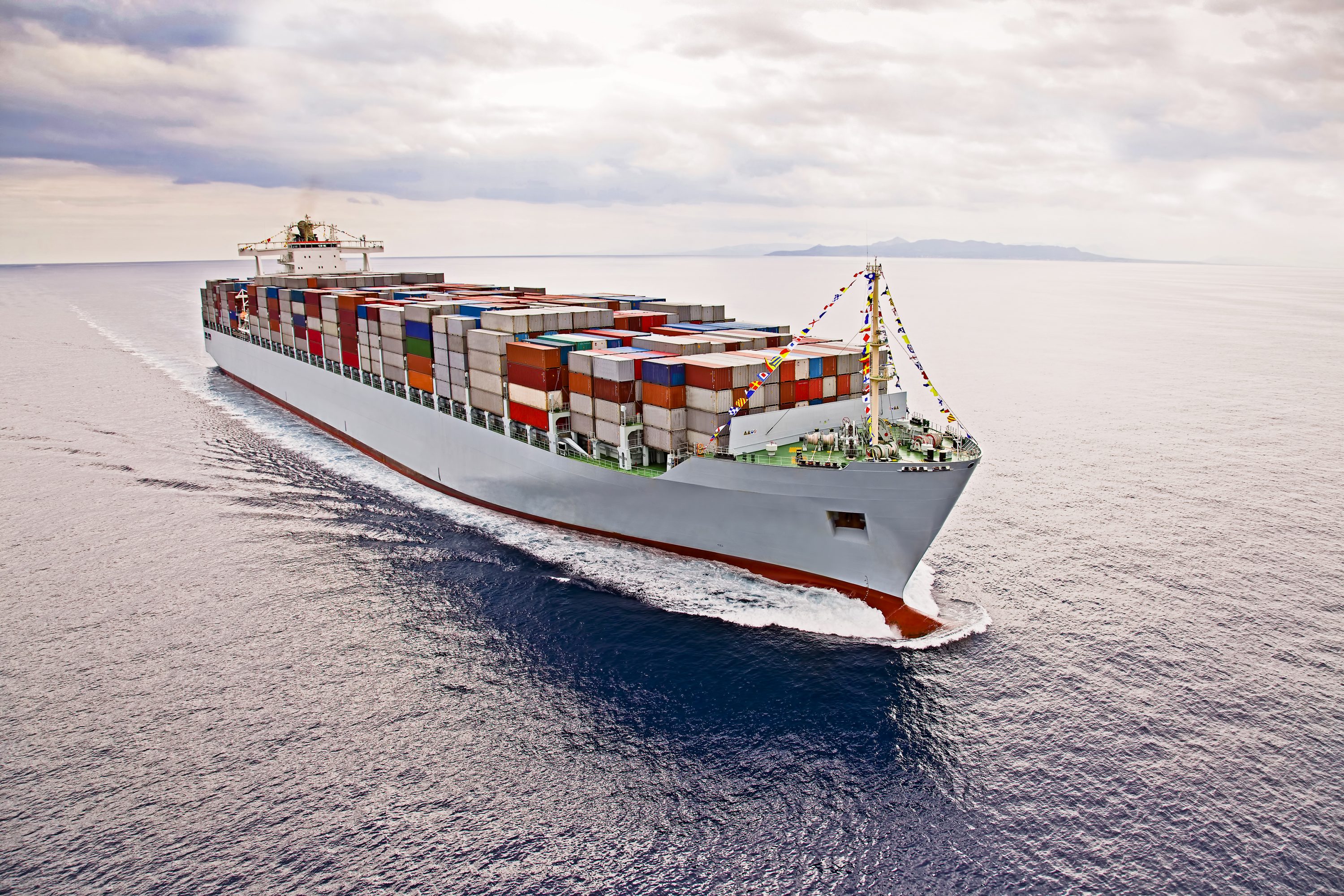
On June 17, the U.S. Navy destroyer USS Fitzgerald collided with a freighter stocked with containers in the middle of the night. The maritime accident occurred off the coast of Japan and nearly sank the destroyer. The ship was on a routine mission and was in the waters that lead into Tokyo Bay, an area that can be crowded at any time of day or night. Seven people on the Fitzgerald died and the investigation into what exactly happened is expected to be ongoing.
The Collision
Occurring in the early morning hours of Saturday, June 17, exactly what caused the collision between the destroyer and the freighter is not known. Only a few men and women were awake and standing watch on the destroyer, and by all reports so far were completely caught off guard by the accident. The weather was fine and they did not see the lights of the freighter until it was too late. The destroyer likely tried to veer away, but the collision was inevitable at that point.
The freighter was the ACX Crystal, a Philippine-flagged container freighter that was heading east from Nagoya toward Tokyo. Navigation in this area is challenging, with more than 400 ships going through it every day. There are also scattered islands in the region and lights from the city of Tokyo that make it difficult to navigate, even in good weather.
What is known about what may have contributed to the collision is that the Crystal made a 180 degree turn from east to west, reversing its course completely. It was just minutes after this maneuver that the two ships collided, at 2:20 a.m., according to the U.S. Navy. According to the Japanese shipping company operating the freighter, the collision actually occurred at 1:30 a.m.
Seven Dead in Accident
The collision resulted in a huge hole in the side of the Fitzgerald. Two compartments that were below the waterline were breached. These included sleeping berths and machinery rooms. The sailors sleeping in those berths at the time of the accident were instantly flooded, and seven of them were unable to escape. No one on the crew of the freighter was harmed in the accident.
The rest of the crew worked tirelessly to save the ship and prevent any further deaths. If they had not acted so quickly the entire ship would have sunk. They took action to seal off flooded compartments and pump out water. The destroyer was then towed into the harbor by tugboats.
Right now it is unclear which ship is more at fault for the collision, why the freighter made a turn, and why the crew on the bridge did not notice the freighter sooner. An investigation is expected to be detailed and to take time to determine exactly what happened. The seven sailors who died in the incident have been identified as Dakota Kyle Rigsby, Shingo Alexander Douglass, Ngoc T. Truong Huynh, Noe Hernandez, Carlos Victor Ganzon Sibayan, Xavier Alec Martin, and Gary Leo Rehm Jr.
Collisions in busy port areas are not uncommon, as the waters are crowded and rules regarding right of way must be strictly followed while crews must be diligent. This collision was particularly damaging and tragic because the destroyer was so much smaller than the freighter. It is only because of the quick action of the crew that the accident was not worse and that there were no more fatalities.