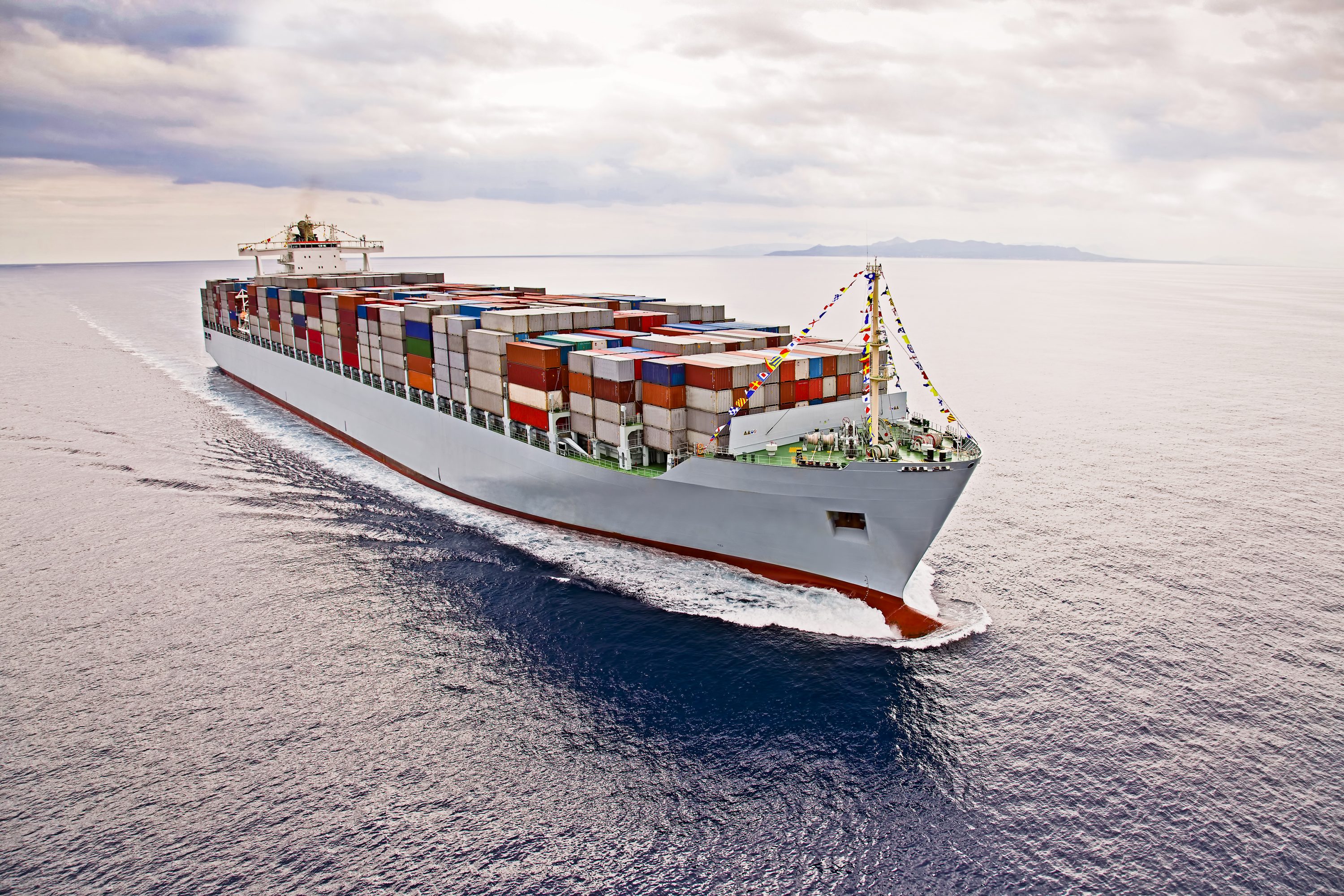
The International Union of Marine Insurance (IUMI), a non-profit organization that protects marine insurers’ interests, released a report recently that warns about an increase in fires on ro-ro ships, especially passenger ro-ro vessels. The report states that fires aboard these car and passenger carrier ships number twice as many as on other types of ships. The report cites statistics compared to other ship types, causes of fires, actions, and recommendations.
Ro-Ro Ships: Passengers and Car Carriers
A ro-ro ship is also known as a roll-on/roll-off vessel and is a ship that carries any kind of wheeled vehicles, including cars, trailers, trucks, and railroad cars. The ships are designed for easy loading and unloading so the vehicles can be rolled on and rolled off, as opposed to lifted with cranes. Ro-ro ships may be car carriers, which transport vehicles only, but they also include ferries that take on vehicles and their passengers.
Fires on Ro-Ro Vessels
The recent IUMI report was issued in response to statistics that demonstrate these vessels have significantly more fires on board than other types of cargo and passenger ships. The rate of fires on both car carriers and passenger ferries is twice that of other ships, like tankers and bulk cargo carriers. More than one percent of ro-ro ships in the world have a fire at least once a year. Fires on ships are of major concern because they can easily cause fatalities and injuries to crew and passengers alike and they also cause a lot of damage to cargo and ships.
Causes of Ro-Ro Fires
According to the report, there are several possible causes of ro-ro fires, but the most common cause is an electrical malfunction. Electrical fires originating in reefer units (refrigerated units) are most common, but other electrical equipment has been known to cause fires. Other causes of fires on these ships include undeclared cargo or cargo that has been declared incorrectly. The ability to fight fires on ro-ro ships is limited compared to other ships because of the open decks and airflow. Crew members must be adequately trained and have the right equipment to fight fires as soon as they are detected.
Recommendations
The findings of the report are important and the IUMI also included recommendations to reduce fires on ro-ro vessels and to better combat them when they do occur to limit or avoid injuries and fatalities. One of the strongest recommendation is that crew members on these ships be given adequate training in detecting fires early and in fighting them effectively and immediately to bring them under control.
The IUMI also recommends that electrical equipment, especially reefers, be monitored continuously to prevent fires from starting. Many of the problematic reefers in fire incidents are on trailers being transported. The report recommends that safety measures need to be addressed as relates to the vehicles being transported. Regulations may be needed to ensure that the vehicles transported on ro-ro ships are safe before being rolled on board. With better prevention and crew training, the IUMI hopes that fires on ro-ro ships will decrease in the future.