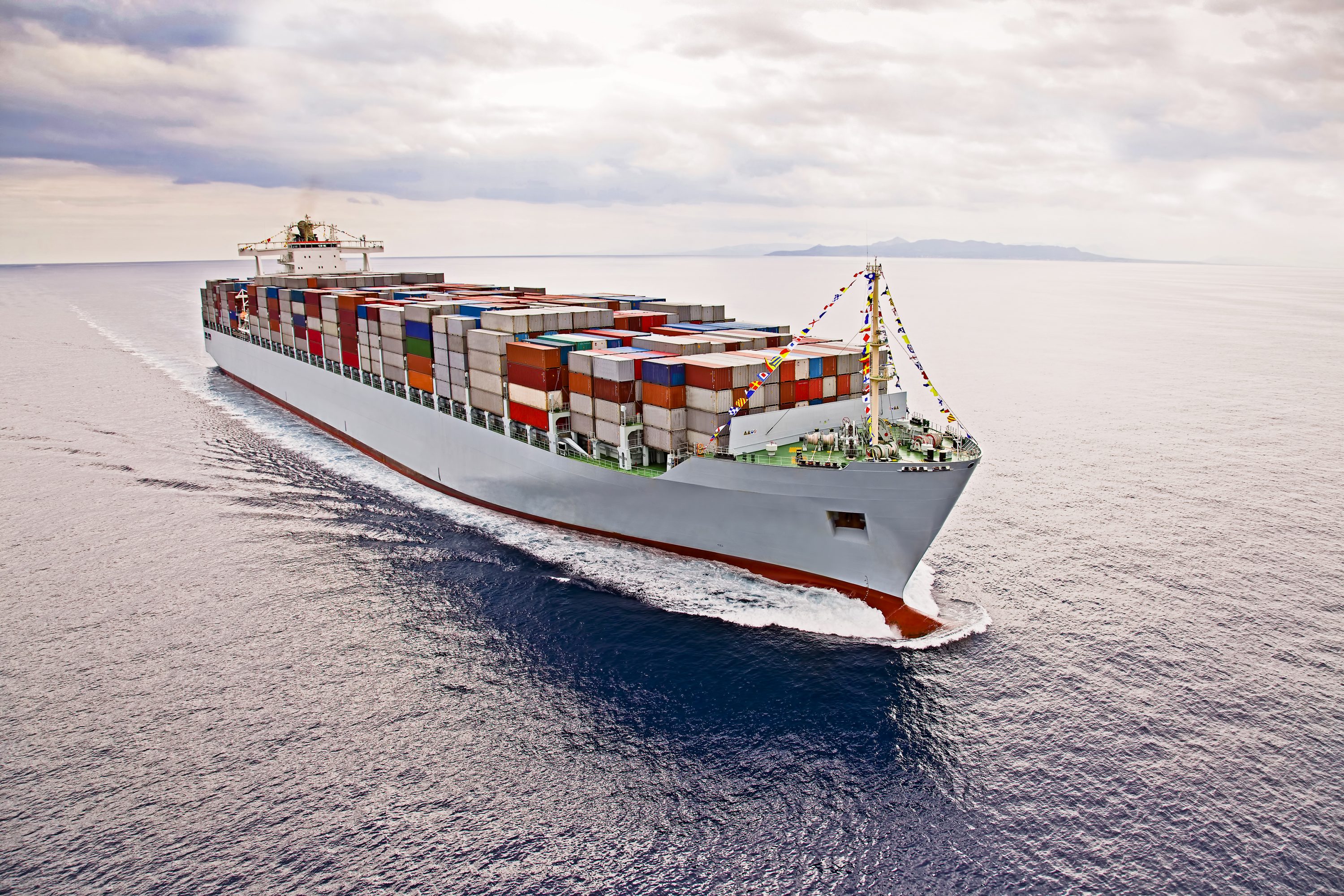
The Australian government and Shenzhen Energy Transport Co. recently reached a settlement agreement in the maritime accident that led to pollution of the Great Barrier Reef off the country’s coast. The accident occurred in 2010 when the Chinese company’s coal carrier ran aground on the Douglas Shoal. The accident led to the contamination of the coral reef with toxic chemicals. The settlement means that Shenzhen will pay 39.3 million in Australian dollars, but the government was hoping to get three times that amount.
The Accident
In April of 2010 the Shen Neng 1, a coal carrier, ran aground in the Douglas Shoal after leaving the Port of Gladstone in Queensland, Australia. The ship was carrying 65,000 tons of coal to China and was not being piloted through the reef. The grounding occurred as the ship went off course and out of the expected shipping lane.
The area in which the ship ran aground was pristine and protected from shipping. In 2012 the ship’s captain and another chief officer were convicted of negligence in the accident. The incident has raised questions about whether piloting through these reef areas and vulnerable ecosystems should be required of all ships.
Reef Poisoning
The accident with the coal carrier caused only a minimal amount of oil to be spilled. The real danger that worried environmentalists and local officials was the contamination by toxic materials in the ship’s paint. The ship was coated in antifouling paint, a substance used to limit the growth of marine organisms on the hull.
That paint contains a toxic substance called tributyltin, or TBT. TBT is now banned because of its extreme toxicity, but when the Shenzhen ship ran aground, the antifouling paint peeled from its hull and contaminated the reef with TBT and other substances. Exactly how the substance will harm the reef and to what extent remains to be seen, but it is toxic to living organisms.
The Settlement
The Australian government sought around $120 million from Shenzhen to fund the cleanup of the Douglas Shoal. The government cited the fact that the ship was nine miles out of the shipping channel as reason that the company should be held accountable. Shenzhen fought the claim, stating that the reef was healing naturally and that it should not have to pay for cleanup that wasn’t necessary. The company also criticized TBT testing in the area and disputed the results, claiming levels were actually much lower than what was measured.
The case was finally settled in Australian federal court on September 19, 2016. The court agreed to a settlement amount of only a third of what the government had sought. Although it was less than what they wanted, the Australian government now has funds to start a reef cleanup, six years after the accident occurred.
Environmental activists have been highly critical of the settlement decision, claiming it is inadequate for the task ahead. Shenzhen and the company’s insurer made statements that they believe the amount is sufficient for the cleanup and appropriate for the degree of contamination from the accident. The company also expressed its regrets and stated that it sought a fair resolution from the beginning.