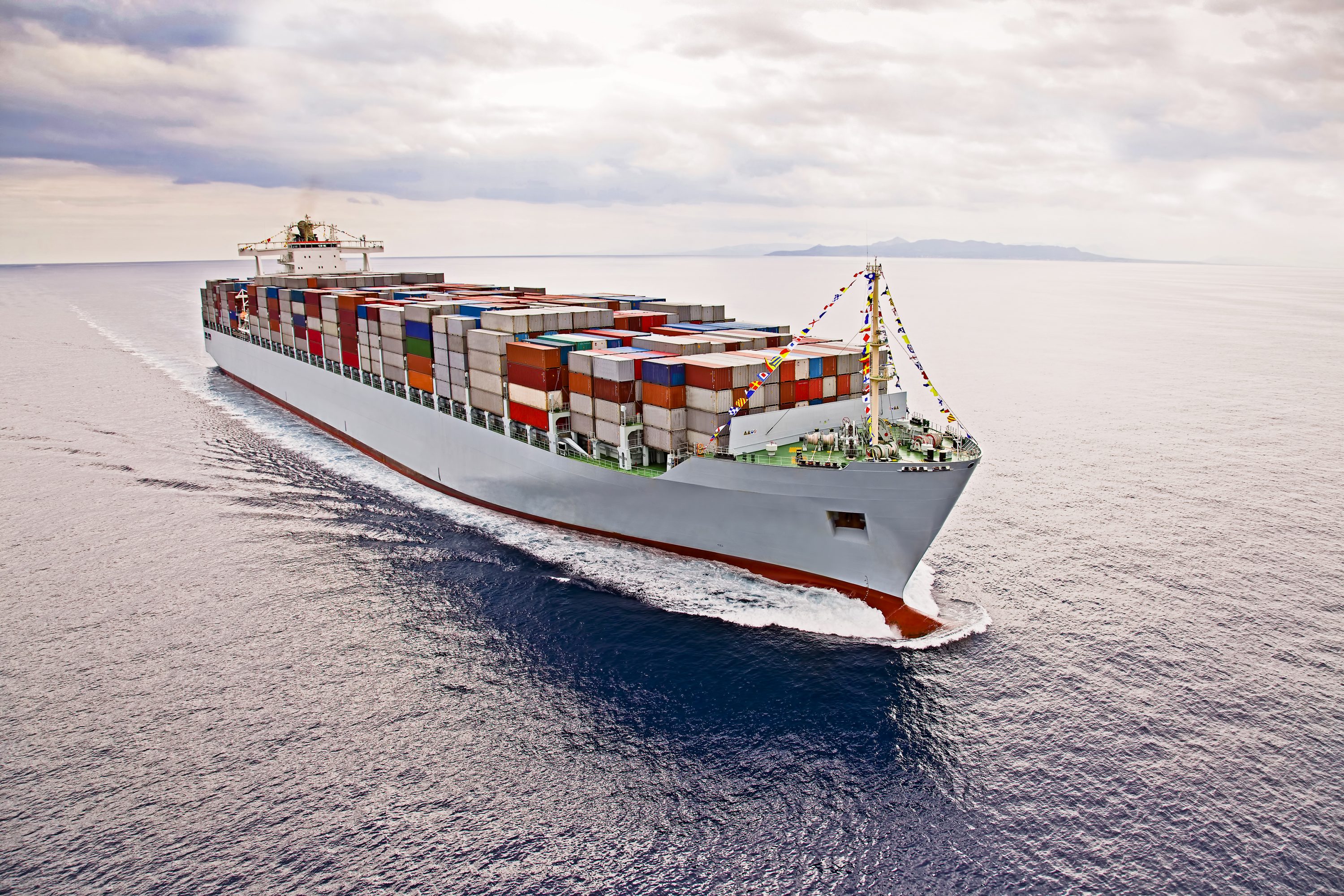
The crash and capsizing of the cruise ship Costa Concordia was major maritime news in 2012. The ship, carrying thousands of passengers, ran aground, capsized, and half sank in shallow waters off the coast of Italy, resulting in the deaths of 32 people including both passengers and crew. Now, four years later the ship is finally being sent to the scrapyard and will make its final voyage to be taken apart and recycled.
The Sinking of the Costa Concordia
The Costa Concordia is a cruise ship that on January 13, 2012, carried 4,252 people in the waters of the Mediterranean when it hit a rock outcropping in shallow waters off the coast of Tuscany in Italy. The ship deviated from its planned course and as a result came too close and ran aground on the rocks near an island called Isola del Giglio.
Water flooded the engine room causing a power outage and after an hour of taking on water the captain ordered an evacuation. During that hour the ship had already begun to capsize, slowly but dangerously listing to one side. It took six hours for authorities to help passengers and crew off the sinking ship and the search for missing people went on for weeks.
The major controversy surrounding the crash of the Costa Concordia centered on the captain, Francesco Schettino. He was blamed for causing the crash and for abandoning the ship. He was also charged and received a 16-year prison sentence for manslaughter, causing a shipwreck, and abandoning passengers.
Refloating the Ship
The survivors were rescued from the ship, and 32 people lost their lives, but the trouble with the Costa Concordia would continue for years. It rested in a precarious position, at risk of falling into much deeper waters of the Mediterranean Sea and causing an ecological disaster. It took two years and a lot of engineering and manpower to right and free the ship from the rocky outcrop on which it had gotten stuck.
The ship was righted using large metal tanks to refloat it. It was then towed to Genoa, the ship’s home port. The salvage attempts have been estimated to have cost well over one billion dollars, making the Costa Concordia the most expensive shipwreck in recorded history.
The Final Voyage
Now the Costa Concordia will finally be taken apart in its entirety, portions and materials salvaged as much as possible to be reused or recycled. The last voyage of this once beautiful cruise ship was a short one. It needed only to be taken from the port of Genoa to a dry dock in the same city. Five tugboats were needed to tow the large ship to dry dock on September 1. The salvage, shipbreaking, and recycling processes are expected to take several months.
Cruise Ship Injuries and Fatalities
Millions of people enjoy cruises every year, but the risks of doing so are numerous. The Costa Concordia is an extreme example of how badly things can go wrong with a ship carrying thousands of people. Other incidents that have occurred with cruise ships include collisions, onboard fires, power outages, assaults, falls overboard, and outbreaks of illnesses that spread through the close quarters like wildfire.
The liability for such incidents often lies with the owner of the ship. Cruise operators have a responsibility to provide a safe environment for both passengers and workers. This means maintaining ships in good working order, ensuring that crew members are trained for safety, and providing all the equipment needed to operate the ship safely.
Reports made after the wreck of the Costa Concordia claimed that many of the crew members were unable to assist passengers with lifeboats. They were not all adequately trained to help evacuate the ship, which put everyone, both passengers and crew, in even greater danger.
News reports often focus on the passengers when cruise ships have accidents, but crew and staff often get hurt too. If you work on a cruise ship you have rights under maritime law as a seaman. A maritime lawyer can help you decide if your injury or illness can be claimed under the Jones Act or other maritime laws and whether or not you can get compensation.